Burner grate rattle
This step-by-step repair guide walks you through fixing burner grate rattle on your Bosch HGI8054UC (Gas Range). With the right tools and parts, most homeowners can complete this repair in 1–2 hours and avoid a costly service call.
🔨 Pro Tip from Dave
On the HGI8054UC, a lot of techs overlook the small silicone bumper pads (part reference BOSCH 00418722) located on the cooktop surface where the grates rest — these degrade faster than the grate feet themselves and are frequently the real culprit. Don’t make the mistake of replacing just the grates without inspecting those pads first, or the rattle will come right back within a few months.
Part of our Top 20 Oven Models & Common Repair Issues Guide. Browse all oven repair guides for related models and issues.
“`html
Common Symptoms & Causes
If your Bosch HGI8054UC gas range has a burner grate rattle, you may notice one or more of the following symptoms during normal use.
- A loud rattling or vibrating noise coming from the cooktop when a burner is ignited or running
- The cast iron grate shifts or wobbles noticeably when cookware is placed on it
- A metallic clinking sound occurs when the burner grate is lightly touched or nudged
- The grate rocks unevenly on the cooktop surface, failing to sit flat
This issue is typically caused by worn or cracked rubber grate feet, a warped cast iron grate, or debris buildup beneath the grate that prevents it from seating properly on the cooktop.
“`
Safety First
- Unplug the oven from the power outlet before starting any repair — never work on a live appliance.
- Wear work gloves when handling metal brackets, sheet metal edges, or sharp components.
- Take photos with your phone before disconnecting any wiring harnesses or connectors.
- Work in a well-lit area with enough floor space to lay removed panels flat.
Tools & Parts Needed
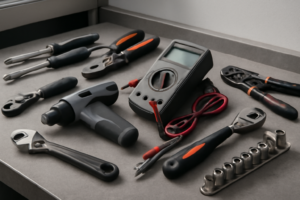
Essential Tools
- Phillips #2 screwdriver
- ¼” nut driver
- Multimeter
- Work gloves (heat-rated)
- Flashlight
Replacement Parts
Step-by-Step Repair Instructions
Step 1
Remove all grates by lifting them straight up off the cooktop, then flip each one upside down to inspect the four rubber foot pads located at the bottom corners. These pads are the only contact point between the heavy cast-iron grate and the cooktop surface, so checking them first tells you immediately whether cushioning has been lost. Pro tip: do this while the cooktop is completely cool to avoid burns from residual heat in the grates or burner caps.
Step 2
Examine each rubber foot for signs of wear: missing pads, pads that have hardened and lost flexibility, or pads compressed so flat they no longer raise the grate off the surface are all root causes of rattling. When the rubber loses its cushioning, the grate sits metal-to-metal against the cooktop and vibrates freely with any nearby movement or boiling turbulence. Even one missing or failed foot on a single grate can cause the rattle you are hearing.
Step 3
Remove the old rubber feet using a flat-head screwdriver to pry off adhesive-mounted pads, or a screwdriver to back out any screw-mounted feet, taking care not to gouge the grate’s finish or the cooktop enamel. Getting all of the old material off cleanly is important because any remaining adhesive residue will prevent the new feet from bonding flat and even. Safety note: work on a stable surface and keep the screwdriver blade angled away from your hands.
Step 4
Install the replacement rubber foot pads by first wiping each mounting location with isopropyl alcohol on a clean cloth and allowing it to dry completely, which removes grease and old adhesive that would weaken the new bond. Peel the backing from each adhesive pad, press it firmly onto the cleaned corner recess, and hold pressure for a full 30 seconds per pad so the adhesive achieves proper contact. Pro tip: replacement feet are inexpensive and often sold in packs, so replace all four on every grate at the same time rather than just the obviously worn ones.
Step 5
Lower the grate back onto the cooktop and notice how it settles: the rubber feet should compress slightly under the grate’s weight, creating a small amount of spring resistance that proves the cushion is working. If the grate drops flat with no give, the replacement feet are either too thin or not seated properly, and you should recheck them before moving on. This slight resistance is what absorbs vibration and prevents the metal-on-metal contact that causes rattling.
Step 6
Test the repair by pressing down firmly on the grate with your palm and tapping it from above in several spots — a properly cushioned grate will feel solid and absorb the impact without any clicking or movement. If rattle persists, check that the grate is seated fully over the burner cap, since a misaligned or damaged burner cap can also cause the grate to rock. Pro tip: if the grate passes the tap test cold but rattles again during cooking, the adhesive may be failing from heat and you should source feet rated for high-temperature use.
Where to Buy Replacement Parts
Find genuine OEM and aftermarket replacement parts for your Bosch HGI8054UC (Gas Range) on Amazon:
- Bosch HGI8054UC burner grate rubber foot replacement SMZ5035
- Bosch gas range grate foot pad kit replacement
- Bosch range burner grate anti-rattle foot
When to Call a Professional
If the issue persists after completing all steps above, the problem may involve the sealed refrigerant system, a failed main control board, or wiring that requires specialized diagnostic equipment. Contact a licensed appliance technician — attempting sealed-system repairs without EPA 608 certification is illegal and unsafe.
“`html
How Much Does This Repair Cost?
Fixing a burner grate rattle on the Bosch HGI8054UC typically costs $10–$40 in parts, such as replacement rubber feet or grate supports. A professional service call for the same issue usually runs $150–$300 once labor is included. Tackling this repair yourself can save you well over $100 while taking less than 30 minutes to complete.
“`
Frequently Asked Questions
Why do the burner grates on my Bosch HGI8054UC rattle when the range is in use?
Grates typically rattle because they are misaligned, worn, or have food debris preventing them from sitting flat. Repositioning the grates and cleaning the surface beneath them usually resolves the issue.
Can I fix the burner grate rattle without buying replacement parts?
In most cases, yes. Cleaning residue from the grate feet and cooktop surface, then reseating the grates correctly, often eliminates the rattle entirely without needing new parts.
How do I know if my Bosch HGI8054UC grates need to be replaced?
Inspect the rubber feet on the grate bottoms for cracks or missing pieces, which cause instability. If the feet are damaged beyond repair, ordering replacement grates from Bosch is the safest fix.
Recommended Products
These are the parts and tools we recommend for this repair, based on compatibility and customer reviews:
- Stove Top Griddle for GE Gas Stove Replacement WB31X24738 Grill Stovetop Cast Iron Pan WB31X27151 Grates General Electric Rang Parts Burner Center Griddles Cooktop WB31X24998
- WB31K10034 Cast Iron Rack Grate Replacement Parts For GE Burner Grate Stove Parts General Electric Gas Range Parts Stove Surface Top Grate
- WB31K10034 Burner Grate Replacement for GE Burner Grate Stove Parts General Electric Gas Range Stove Top Surface Grate, Cast Iron Rack, 4 Pack
- 20Pcs 00618112 00637940 Rubber Grate Feet Part by Beaquicy – Replacement for Thermador, Bos-ch Gas Range/Cooktop – Replaces 00617174, 617174, 00618112, 618112, 1999626, AH3478553, EA3478553, PS3478553
As an Amazon Associate, I earn from qualifying purchases.