Fresh food temp off
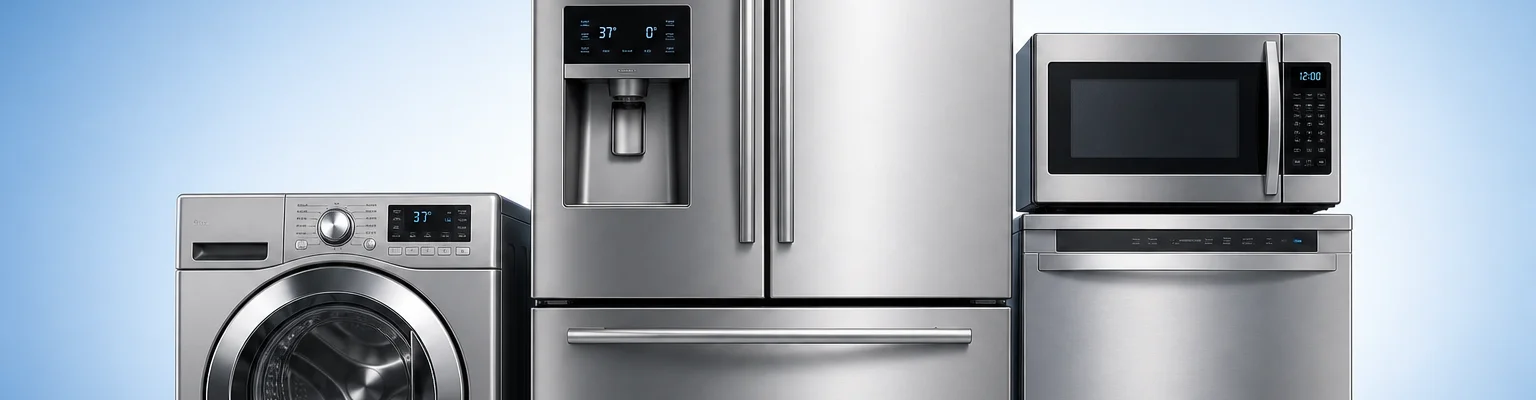
This step-by-step repair guide walks you through fixing fresh food temp off on your Whirlpool WRS325SDHZ (Side-by-Side). With the right tools and parts, most homeowners can complete this repair in 1–2 hours and avoid a costly service call.
🔨 Pro Tip from Dave
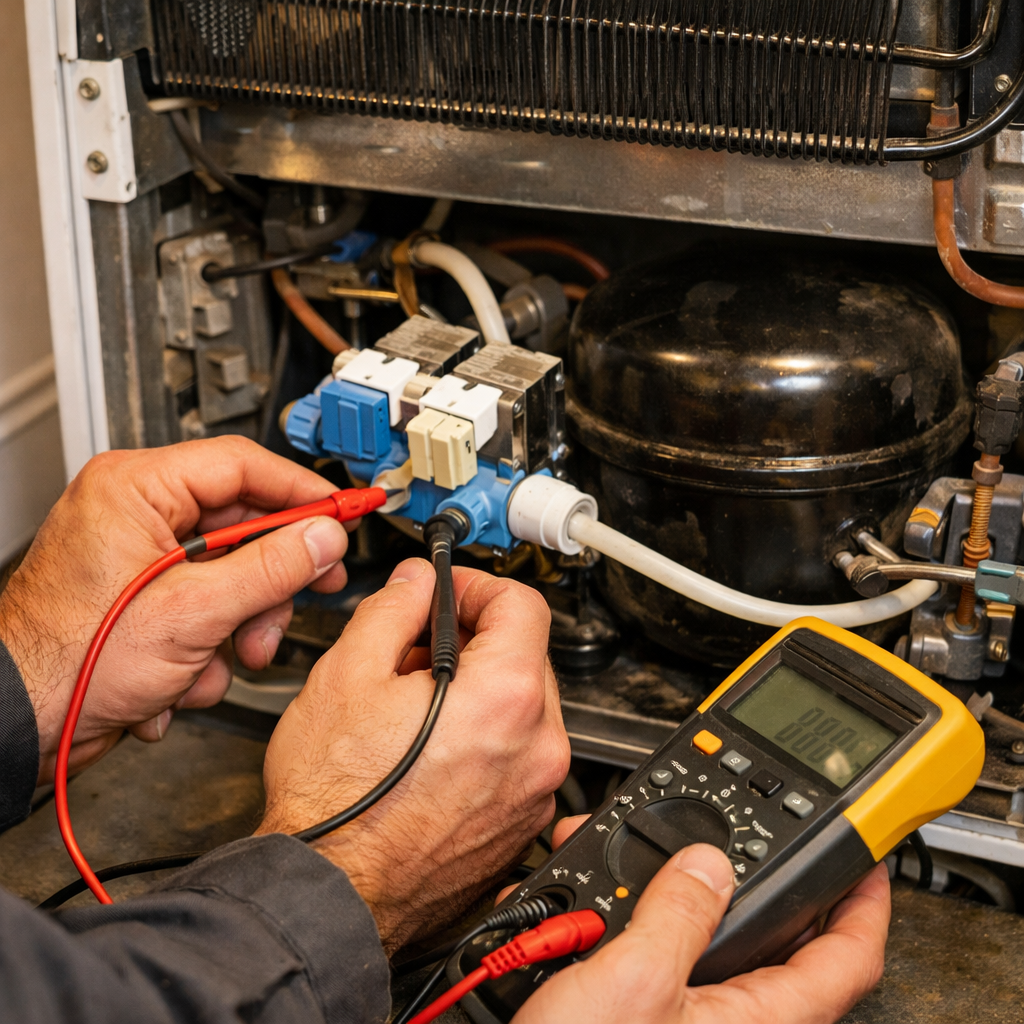
On the WRS325SDHZ, the fresh food thermistor (part number WPW10316760) is tucked behind the rear wall panel and is easy to overlook during diagnosis — many techs misdiagnose this as a sealed system issue. A common mistake is ignoring the damper door assembly (part W10714983) because it can appear functional visually but fail intermittently under load. Always test thermistor resistance with a multimeter; you’re looking for approximately 16,600 ohms at 32°F.
Part of our Top 20 Refrigerator Models & Common Repair Issues Guide. Browse all refrigerator repair guides for related models and issues.
“`html
Common Symptoms & Causes
These are the most telling signs that your Whirlpool WRS325SDHZ is struggling to maintain proper fresh food compartment temperature.
- Fresh food compartment reads warmer than the set temperature, often 45°F or higher
- Food and drinks feel lukewarm despite the refrigerator running continuously
- Frost buildup is visible on the back wall of the fresh food section
- The freezer stays cold while only the refrigerator side warms up
This issue is most commonly caused by a failed damper control assembly, a faulty thermistor, or a defrost system malfunction that restricts proper airflow into the fresh food compartment.
“`
Safety First
- Unplug the refrigerator from the power outlet before starting any repair — never work on a live appliance.
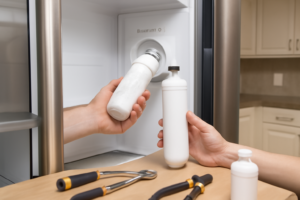
- Shut off the water supply valve before disconnecting any water lines or hoses.
- Wear work gloves when handling metal brackets, sheet metal edges, or sharp components.
- Take photos with your phone before disconnecting any wiring harnesses or connectors.
- Work in a well-lit area with enough floor space to lay removed panels flat.
Tools & Parts Needed
Essential Tools
- Phillips #2 screwdriver
- ¼” nut driver
- Needle-nose pliers
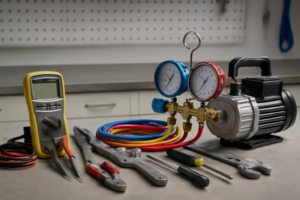
- Multimeter
- Flashlight or work light
Replacement Parts
- Thermistor sensor
- air diffuser/damper
- main control board
- thermometer probe
Step-by-Step Repair Instructions
Step 1
Verify the fresh food compartment is set to 37°F, then place a probe thermometer at mid-height in the center of the compartment — not near the door or vents — and let it stabilize for at least 30 minutes. This confirms whether the temperature deviation is real or just a faulty reading, and gives you an accurate baseline before touching any components. Pro tip: avoid taking readings right after the door has been opened repeatedly, as ambient air skews results.
Step 2
Check that food items are not blocking the air vents on the rear wall of the fresh food compartment, maintaining at least 1 inch of clearance around each vent. Blocked vents restrict cold air circulation and are one of the most common causes of uneven or elevated fresh food temps, yet require no parts or tools to fix. Rearrange items and recheck temperature after 2–3 hours before proceeding to hardware diagnostics.
Step 3
Test the fresh food thermistor, which is the sensor that tells the control board the actual compartment temperature — if it reads incorrectly, the board may under-cool or over-cool the section. At a 37°F target the thermistor should measure approximately 3kΩ resistance; an out-of-spec reading means the board is reacting to false data, not a true temperature problem. Safety note: unplug the refrigerator before disconnecting the thermistor connector to avoid shorting the low-voltage circuit.
Step 4
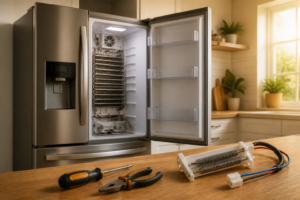
Remove the 4 Phillips screws securing the fresh food rear panel to access the air diffuser duct and inspect the flapper valve on the damper assembly, which controls how much cold air flows from the freezer into the fresh food section. A stuck or broken flapper valve — either frozen open or closed — will cause the compartment to run too warm or too cold regardless of other components functioning correctly. If the flapper is visibly cracked, warped, or won’t move freely by hand, replace the damper assembly as a unit.
Step 5
With the refrigerator plugged in and running, test the main control board’s voltage output to the evaporator fan and compressor using a multimeter to determine whether control signals are reaching the correct components. If the compressor is running but the fresh food or freezer evaporator fan is not receiving voltage, a relay on the control board has likely failed, starving the compartment of circulated cold air. Safety note: use insulated probes and exercise caution around live terminals — only probe the connector pins, not the board traces directly.
Step 6
Reassemble the rear panel, plug the refrigerator back in, and monitor the fresh food compartment temperature with your probe thermometer every 2 hours over a full 24-hour period. A single reading after reassembly is not reliable because the compressor cycles on and off and temps naturally fluctuate; the 24-hour window captures a true average and confirms the fix held under normal usage conditions. If temps remain outside the 35–38°F range after 24 hours, recheck the damper and thermistor connections before considering a control board replacement.
Where to Buy Replacement Parts
Find genuine OEM and aftermarket replacement parts for your Whirlpool WRS325SDHZ (Side-by-Side) on Amazon:
- Whirlpool WRS325SDHZ thermistor sensor W10316760 replacement
- Whirlpool refrigerator damper control air diffuser
- Whirlpool refrigerator control board W11087990
When to Call a Professional
If the issue persists after completing all steps above, the problem may involve the sealed refrigerant system, a failed main control board, or wiring that requires specialized diagnostic equipment. Contact a licensed appliance technician — attempting sealed-system repairs without EPA 608 certification is illegal and unsafe.
“`html
How Much Does This Repair Cost?
DIY parts for fixing a fresh food temperature issue on the Whirlpool WRS325SDHZ typically run $20–$120, depending on whether you’re replacing a thermistor, damper, or control board. A professional service call usually costs $150–$300 including labor. Tackling this repair yourself can save you over $100 or more.
“`
Frequently Asked Questions
Why is the fresh food section of my Whirlpool WRS325SDHZ too warm even though the freezer is fine?
A faulty evaporator fan or a blocked air damper often prevents cold air from reaching the fresh food compartment. Check that the damper opens freely and the fan is running properly.
How do I know if the thermistor is causing the temperature problem?
Test the thermistor with a multimeter — a reading outside the expected resistance range means it needs replacing. A faulty thermistor sends incorrect temperature readings to the control board.
Can overpacking my refrigerator cause fresh food temperature issues?
Yes, overcrowding blocks air vents and restricts cold airflow throughout the fresh food compartment. Rearrange items to keep vents clear and allow proper circulation.