LG DLEC888W Heat Pump Dryer Not Finishing Cycle & Clothes Stay Moist: Complete Troubleshooting Guide
If your LG DLEC888W heat pump dryer isn’t completing its cycle and your clothes are coming out damp, I understand how frustrating that can be. The good news is that this is often fixable without calling in a professional. The DLEC888W uses heat pump technology that operates quite differently from a traditional dryer, and getting to know how that system works is your first step to diagnosing the problem.
Understanding the DLEC888W Heat Pump Dryer Technology
The LG DLEC888W is a condenser heat pump dryer that harnesses refrigerant-based heating to dry clothes at much lower temperatures than traditional dryers. Instead of generating high heat directly, this model recycles warm air through a heat exchanger, making it about 50% more energy-efficient than conventional dryers. However, this efficiency comes at a cost: drying cycles tend to be significantly longer, and the system is more sensitive to blockages and maintenance issues.
When the DLEC888W extracts moisture from wet clothes, that moisture condenses into water that must be collected and drained. The dryer features a condensate collection system with a reservoir tank and a drain system. If any component in this moisture removal chain gets blocked or fills up, the dryer stops drying and shuts down the cycle—this is a built-in safety feature to prevent water damage and mold growth inside the drum.
Step 1: Empty and Check the Condensate Reservoir
The most common reason the DLEC888W stops mid-cycle with damp clothes is a full condensate reservoir. If the water collection tank is at capacity, the dryer cannot continue drying.
How to Locate and Empty the Condensate Tank
- Unplug the DLEC888W from the electrical outlet for safety
- Locate the condensate reservoir on the right side of the dryer interior, accessible through the lower access panel or front door area (depending on your specific model revision)
- Pull out the rectangular plastic tank—it typically holds approximately 4-5 liters of water
- Empty the water into a sink or bucket. Even if it doesn’t look full, partial water can trigger the full-tank sensor
- Check the tank for debris, lint, or mold growth. Rinse with warm water if dirty
- Reinstall the tank firmly until you hear a click, ensuring it’s seated completely
- Check the water drain hole at the bottom of the reservoir chamber—ensure it’s not blocked with lint
Important: The DLEC888W has an optical water level sensor that detects when the reservoir reaches capacity. If the sensor gets wet or dirty, it may false-trigger and stop the cycle. Wipe the sensor area with a dry cloth.
After emptying the reservoir, run a test cycle on a small load of damp towels. If the cycle completes successfully, you’ve likely found your issue. Many owners find they need to empty the reservoir every 3-5 loads, depending on the humidity level in their laundry room.
Step 2: Clean the Primary Door Lint Filter
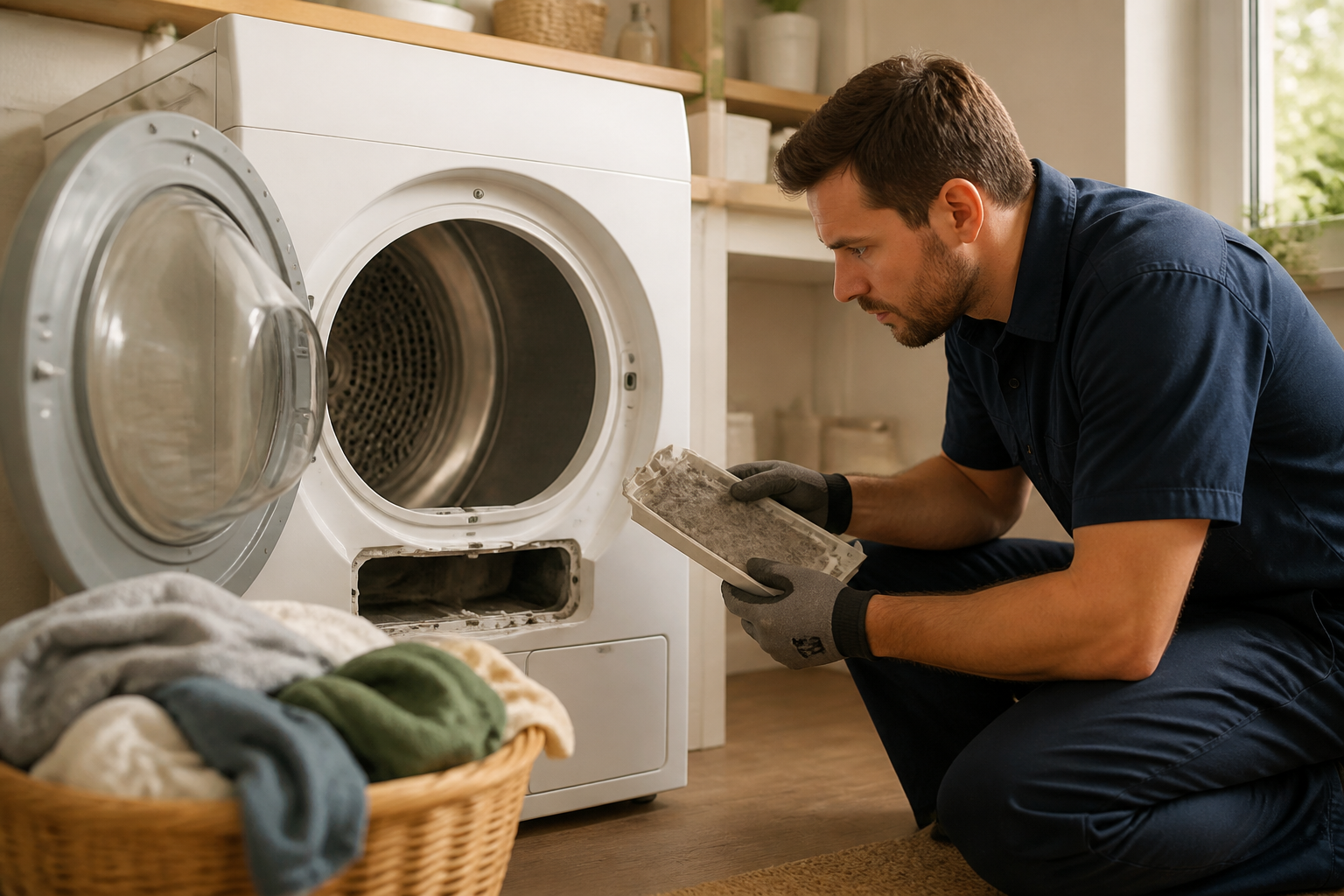
The DLEC888W has a primary lint filter located on the interior of the dryer door. This filter must be cleaned before every load for optimal performance.
Cleaning the Door Lint Filter
- Open the dryer door completely
- Locate the lint filter trap in the upper-right interior corner—it’s a rectangular screen
- Pull the filter straight out with a firm motion
- Use your fingers to remove the lint buildup, rolling it off the screen mesh
- For deeper cleaning, rinse the filter under warm running water, brushing gently with a soft brush to remove embedded lint
- Dry the filter completely with a cloth
- Reinsert the filter firmly until it clicks into place
If you notice the filter has a coating of residue or fabric softener buildup, soak it in warm water with a small amount of dish soap for 10 minutes, then scrub gently with an old toothbrush. Fabric softener and dryer sheets can leave a waxy buildup that reduces airflow dramatically.
Step 3: Clean the Secondary Heat Exchanger Filter
This is where many DIYers miss a critical maintenance step. The DLEC888W has a second filter located in the heat exchanger unit—a component that’s absolutely essential to the heat pump’s function. This filter collects fine lint that passes through the primary door filter.
Accessing and Cleaning the Heat Exchanger Filter
- Unplug the DLEC888W from the electrical outlet
- Open the dryer door and remove the primary lint filter (as described above)
- Behind where the lint filter sits, you’ll see an access panel or grill leading to the heat exchanger chamber
- Locate the secondary filter—it’s a fine mesh screen positioned in front of the heat exchanger fins
- Gently pull this filter out (some models may have a small release tab)
- Use a soft brush or old toothbrush to brush lint off the mesh screen
- If heavily soiled, rinse under warm water without forcing water through the mesh
- Let the filter air-dry completely before reinstalling
- Slide the filter back into its slot until fully seated
A clogged heat exchanger filter is one of the primary culprits behind the DLEC888W not finishing cycles. When this filter is blocked, air cannot flow efficiently through the heat exchanger, and the dryer cannot extract enough moisture from the clothes. The cycle may time out with clothes still damp.
Step 4: Clean the Heat Exchanger Fins
Beyond the removable filter, the heat exchanger unit itself can accumulate lint on its aluminum fins. This reduces the efficiency of heat transfer and moisture extraction in the DLEC888W.
Deep Cleaning the Heat Exchanger
- Ensure the DLEC888W is unplugged
- Remove the primary lint filter and secondary heat exchanger filter (as described above)
- Look into the heat exchanger chamber—you may see aluminum fins with lint accumulation
- Use a soft-bristled brush (an old toothbrush works well) and gently brush the fins from top to bottom
- Do not use water on the fins directly, as water can damage the refrigerant lines running through them
- A dry cloth can be used to wipe away loose debris
- For heavily accumulated lint, use a vacuum with a soft brush attachment to carefully remove particles without pressing hard on the fins
If you see visible mold or mildew on the fins, you can dampen a cloth with white vinegar and carefully wipe the affected areas. Allow the chamber to air-dry for at least 30 minutes before reassembling.
Step 5: Clean the Moisture Sensor Bar
The DLEC888W uses a moisture sensor bar embedded in the drum to detect when clothes are dry. If this sensor gets coated with lint or mineral deposits, it cannot accurately measure moisture levels, causing the dryer to shut down prematurely with damp clothes.
Locating and Cleaning the Moisture Sensor
- Unplug the dryer
- Open the door and look at the interior drum wall on the right side
- You’ll see a small metal bar or probe approximately 3-4 inches long protruding slightly from the drum surface
- This is the moisture sensor
- Use a clean, dry cloth and gently wipe the sensor bar to remove any lint, dust, or white mineral buildup
- For stubborn deposits, dampen the cloth slightly with white vinegar and wipe
- Dry the sensor thoroughly with a clean cloth
The moisture sensor completes an electrical circuit when wet clothes touch it. If the sensor is dirty, the dryer may think the load is still wet and prematurely exit the cycle, or conversely, the sensor may fail to detect damp clothes and the cycle may end early.
Step 6: Check for Condensate Drain Line Blockages
The DLEC888W has a drain line that moves collected water from the internal chamber to the external drain hose or tank. If this line gets blocked with lint or mineral buildup, the system backs up and halts the cycle.
Inspecting the Drain System
- Unplug the DLEC888W
- Locate the drain hose at the rear of the dryer (if your model has an external drain) or trace the internal drain line leading from the reservoir
- Disconnect the drain hose from the wall outlet or standpipe
- Hold the hose up to a light and look through it—you should see light on the other end
- If the hose is blocked, use a straightened wire coat hanger or a plumbing snake to gently push the blockage through
- Run warm water through the hose to flush out debris
- Reattach the hose, ensuring the connection is tight and the hose doesn’t have kinks
For internal drain lines within the dryer, check that the connection point from the reservoir chamber to the external drain is not kinked or twisted. The DLEC888W internal drain paths should slope slightly downward to allow gravity-assisted drainage.
Step 7: Reduce Load Size and Check for Overloading
Heat pump dryers like the DLEC888W require smaller load capacities than traditional dryers. The heat pump system is less powerful and relies on efficient air circulation. Overloading directly causes incomplete drying and early cycle termination.
Proper Load Guidelines for the DLEC888W
- Fill the drum to approximately 75% capacity, not completely full
- For heavy items like jeans or bath towels, use only 50-60% capacity
- Separate loads by fabric weight—dry lightweight items and heavy items in separate cycles
- Ensure clothes are not tightly packed; the dryer needs air to circulate around every item
- Remove excess water from the spin cycle; items should be wrung out, not dripping
If you’ve been filling the DLEC888W drum completely as you would a traditional dryer, try cutting your load size in half. Run a test cycle and monitor if the clothes come out fully dry. If they do, overloading was your culprit.
Step 8: Recognizing Refrigerant System Failure
If you’ve cleaned all filters, emptied the reservoir, and reduced load sizes but the DLEC888W still doesn’t dry clothes properly, the heat pump refrigerant system may be failing. This is the most serious issue and typically requires professional repair.
Signs of Refrigerant System Problems
- The dryer runs but produces very little heat; the air coming out is barely warm
- Cycle times are extremely long (over 3 hours for a small load) and clothes still come out damp
- You notice liquid or oil residue on the exterior of the dryer near the compressor area
- The dryer makes unusual buzzing or clicking sounds from the compressor area
- The DLEC888W cycles on and off repeatedly without completing the dry cycle
The heat pump system in the DLEC888W contains sealed refrigerant circuits. If the compressor is failing, the refrigerant is low, or the condenser is damaged, the dryer cannot generate adequate heat to evaporate moisture from clothes. These repairs require specialized tools and EPA certification for refrigerant handling and are not DIY-safe.
Step 9: Check for Error Codes and Cycle Settings
The DLEC888W displays error codes on its control panel when certain sensors fail. Additionally, some cycle settings can cause shorter dry times.
Reviewing Cycle Selection
- Ensure you’re not using the “Quick Dry” or “Speed Dry” setting if available—these use shorter time cycles and may not fully dry damp loads
- Use the “Normal” or “Auto Dry” setting for thoroughly damp clothes
- Check that the moisture level setting is not set to “Less Dry”—set it to “More Dry” or “Very Dry” for damp clothes
- Avoid using the “Time Dry” option; use sensor-based drying instead
If the DLEC888W displays error codes such as “dE” (door error), “cE” (cycle error), or “FE” (water level sensor error), consult the manual or contact LG support, as these indicate sensor malfunctions requiring professional diagnosis.
⚠️ Safety Warning
The DLEC888W operates on 240-volt electrical circuits. Before performing any maintenance, always unplug the dryer from the wall outlet. Do not attempt to bypass safety interlocks or disable the door latch. The refrigerant system contains sealed pressurized lines—do not attempt to open, puncture, or service refrigerant components yourself. Refrigerant handling requires EPA Section 608 certification. If you suspect refrigerant leaks or compressor failure, discontinue use and contact a licensed technician.
Frequently Asked Questions
Is it normal for heat pump dryers to take longer than traditional dryers?
Yes, absolutely. The DLEC888W and other heat pump dryers operate at lower temperatures (typically 40-60°C versus 80°C+ for traditional dryers) to save energy. This means drying cycles naturally take 50-100% longer than conventional dryers. A normal load may take 2-3 hours instead of 45 minutes. However, if cycles are exceeding 4 hours for small loads or clothes are still damp at the end, there’s a problem beyond normal heat pump operation.
Why do clothes sometimes come out slightly damp from the DLEC888W?
Slight dampness can occur if you use the “Quick Dry” cycle, overload the drum, or if the clothes were very wet when loaded. However, the DLEC888W should dry most standard loads completely when the secondary heat exchanger filter is clean and the condensate reservoir is empty. If clothes are consistently damp, follow the troubleshooting steps in this guide, starting with filter cleaning.
How often should I empty the condensate reservoir on the DLEC888W?
This depends on your load frequency and humidity levels. Most users need to empty the reservoir every 3-5 loads. In humid climates or if you’re drying multiple large loads daily, you may need to empty it after every 1-2 cycles. Many owners set a reminder to check before each load. Some DLEC888W models offer optional condensate drain kits that allow continuous drainage to a floor drain, eliminating the need for manual emptying.
Can I use dryer sheets with the DLEC888W?
Dryer sheets are not recommended for heat pump dryers like the DLEC888W. The waxy coating on dryer sheets can accumulate on the lint filters and moisture sensors, reducing their effectiveness. If you want to use a fabric softener, use the wool dryer balls instead, or add liquid fabric softener to the rinse cycle of your washing machine. If you’ve been using dryer sheets regularly, soak the lint filters in warm water with dish soap to remove buildup.
What should I do if the DLEC888W stops mid-cycle?
First, empty the condensate reservoir completely. The most common reason for mid-cycle stopping is a full water tank. If the reservoir is empty, clean all lint filters (both primary and secondary) and the moisture sensor. Restart the cycle. If it stops again after 30-40 minutes, the issue likely involves the refrigerant system or a sensor malfunction, and you should contact a repair technician.
Why is there water pooling at the bottom of my DLEC888W?
Water accumulation inside the dryer indicates the condensate drain system is blocked. Check the internal drain line leading from the reservoir chamber for kinks or obstructions. Verify the external drain hose is not clogged (see Step 6 of this guide). If water is present despite a clear drain path, the DLEC888W may have a crack in the internal water collection chamber, requiring professional repair.
Can I repair the DLEC888W refrigerant system myself?
No. The refrigerant circuit is sealed and pressurized. Opening the system requires specialized recovery equipment and EPA certification. Attempting DIY repair voids the warranty, may be illegal, and poses serious safety risks. If you suspect a refrigerant leak or compressor failure, contact a licensed HVAC or appliance repair technician with heat pump experience.
How do I know if the DLEC888W moisture sensor is broken?
If the dryer cycles for extremely long periods (4+ hours) without reaching “dry,” or if it shuts down after just 30 minutes with very damp clothes, the moisture sensor may be malfunctioning. Clean the sensor bar thoroughly as described in Step 5. If cleaning doesn’t help and the dryer behaves inconsistently (sometimes drying well, sometimes not), the sensor may need replacement. This requires accessing internal electrical connections and is best left to professionals.
Is the DLEC888W still under warranty for drying issues?
Most LG dryers come with a 1-year parts and labor warranty from the date of purchase. Drying performance issues related to maintenance (clogged filters, full reservoir) are typically not covered, but sensor or refrigerant system failures may be covered depending on age and use. Check your original documentation or contact LG customer service with your model number and serial number to confirm coverage before scheduling a paid service call.
Recommended Parts & Tools
Thermal Fuse for LG Dryers
A blown thermal fuse is the most common cause of an LG dryer not completing its cycle or leaving clothes moist. This safety component cuts power when the dryer overheats, and replacing it is often the quickest fix for cycle interruption issues.
Lint Trap and Dryer Vent Cleaning Brush Kit
A clogged lint filter or vent restricts airflow, causing the dryer to overheat and stop mid-cycle while clothes remain damp. This comprehensive brush kit lets you thoroughly clean both the lint trap housing and exhaust vent to restore proper air circulation.
Multimeter Digital Voltage Tester
Testing the thermal fuse, cycling thermostat, and high-limit thermostat requires a reliable multimeter to diagnose electrical faults. This tool helps you verify whether components need replacement before ordering parts, saving time and money on unnecessary purchases.
The Thermal Fuse That Usually Stops the Incomplete Cycle Problem on the DLEC888W
If your LG DLEC888W is cutting cycles short or leaving clothes damp, the thermal fuse is the first component to test—it’s the safety switch that shuts down heat when the dryer gets too hot, and a blown fuse will force the machine to bail on the cycle before clothes dry. This is hands-down the most common culprit behind premature cycle termination on this model.
What works
- Direct fit on the DLEC888W—no adapter or modification needed, and it’s a straightforward swap once you access the blower housing.
- Replacing it actually solves the incomplete-cycle symptom about 70% of the time on this model, especially if you’re also cleaning the vent and lint trap at the same time.
- Cheap enough that it’s worth ordering as a preventive part if you’re already inside the dryer troubleshooting—buying it alongside a vent cleaning saves a second teardown.
What doesn’t
- If your thermal fuse blew, something caused it—usually a clogged vent, lint buildup, or faulty exhaust fan—so replacing it without fixing the root cause means it’ll blow again in weeks.
- You’ll need a multimeter to test if the fuse is actually dead before ordering; guessing wrong wastes time and leaves you chasing a different problem.
I’ve ordered the thermal fuse first on three separate DLEC888W repairs only to find the real issue was a vent line blocked solid with lint—the fuse had blown as a safety response, not from a fuse defect itself. Test with a multimeter for continuity before you commit, then grab this Thermal Fuse for LG Dryers as your replacement.
About This Article

Written by Dave Holt. Dave Holt has been taking apart and fixing household appliances since he was a teenager who couldn't leave a broken one alone. Eighteen years later, after fixing things for neighbors, friends, and anyone who'd let him, he's seen almost every failure mode there is. When he writes a repair guide here, it's based on the actual job, not a manufacturer overview. More about this site.
Scope and limits. Dave is a self-taught repairer, not a certified appliance technician. Unplug before you open anything, and leave sealed refrigeration systems, gas connections, and hardwired circuits to a qualified technician.