Gas burner igniter click after shutoff
This step-by-step repair guide walks you through fixing gas burner igniter click after shutoff on your KitchenAid KSDB900ESS (Dual Fuel). With the right tools and parts, most homeowners can complete this repair in 1–2 hours and avoid a costly service call.
🔨 Pro Tip from Dave
On the KSDB900ESS, a hidden gotcha is the spark module (WPW10199671) — techs often replace individual electrodes and miss that the module itself is leaking voltage across dirty terminals, causing phantom clicking even after the burner is off. Always dry the module with compressed air and inspect for grease buildup on the terminal connectors before condemning individual electrodes. Replacing electrodes without addressing a contaminated module is the number one comeback call I see on this model.
Part of our Top 20 Oven Models & Common Repair Issues Guide. Browse all oven repair guides for related models and issues.
“`html
Common Symptoms & Causes
These symptoms typically point to a gas burner igniter clicking continuously on your KitchenAid KSDB900ESS even after the burner knob is turned off.
- The igniter on one or more burners keeps clicking after the knob returns to the OFF position
- A rapid, repetitive ticking sound persists for several minutes following burner shutoff
- The clicking stops only after unplugging the range from the wall outlet
- Clicking occurs on the left front or right rear burner specifically, even with surrounding burners off
This issue is most commonly caused by moisture or food debris contaminating the igniter module, a worn spark electrode, or a faulty igniter switch that fails to fully open the circuit after shutoff.
“`
Safety First
- Unplug the oven from the power outlet before starting any repair — never work on a live appliance.
- Wear work gloves when handling metal brackets, sheet metal edges, or sharp components.
- Take photos with your phone before disconnecting any wiring harnesses or connectors.
- Work in a well-lit area with enough floor space to lay removed panels flat.
Tools & Parts Needed
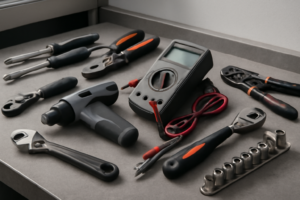
Essential Tools
- Phillips #2 screwdriver
- ¼” nut driver
- Multimeter
- Work gloves (heat-rated)
- Flashlight
Replacement Parts
Step-by-Step Repair Instructions
Step 1
Unplug the range from its power source before beginning any work, because a gas igniter that keeps clicking after the flame is lit is almost always caused by moisture or food debris inside the igniter housing sending false signals to the spark module. Working with the range unplugged eliminates any risk of accidental sparking while you clean and inspect the components. Never attempt this repair with the range energized, even though the issue feels minor.
Step 2
Remove the burner grates by lifting them straight off, then lift the burner caps and burner heads off their mounting studs so you can access all surfaces that collect grease and moisture. Wash each component thoroughly with warm soapy water and a soft brush, paying close attention to the slots and ports where debris hides, then dry everything with towels and allow at least two hours of air drying before reassembly. Incomplete drying is the single most common reason clicking returns immediately after cleaning, so do not rush this step.
Step 3
Visually inspect the ceramic insulator on each igniter electrode, looking for hairline cracks or chips in the white ceramic collar surrounding the tip. A cracked insulator allows the electrical charge to ground out against the burner body instead of jumping to the cap, which produces continuous random clicking even when the burner is off. Any electrode with a cracked or chipped insulator must be replaced, as cracks cannot be repaired.
Step 4
Restore power and test the spark module by pressing each burner knob to the ignite position and observing whether every burner produces a spark. If all four burners spark normally, the module is functioning correctly and your problem was debris-related, so proceed to reassembly. If one specific burner fails to spark at all, that burner’s electrode or the module itself has failed and needs further diagnosis.
Step 5
If a single burner will not spark after cleaning, replace spark module W10884547, which is located behind the control panel and secured by two Phillips screws with a wiring harness connector. Photograph the harness orientation before unplugging it so you can reconnect it correctly, and handle the new module by its edges to avoid damaging the circuit board. A failed module will typically cause one burner to go completely dead while leaving the others unaffected, which distinguishes it from a debris or electrode problem.
Step 6
Reassemble the burner heads first, then seat each burner cap flat and centered on its head before replacing the grates, because a cap that is even slightly tilted or rotated will hold the electrode gap at the wrong distance and trigger constant clicking. Press down gently on each cap and confirm it sits level with no wobble before restoring power. Taking an extra thirty seconds to verify proper cap alignment here prevents having to repeat the entire cleaning process.
Where to Buy Replacement Parts
Find genuine OEM and aftermarket replacement parts for your KitchenAid KSDB900ESS (Dual Fuel) on Amazon:
- KitchenAid KSDB900ESS gas igniter module W10884547 replacement
- KitchenAid dual fuel range burner cap seal alignment
- KitchenAid gas range igniter spark module repair
When to Call a Professional
If the issue persists after completing all steps above, the problem may involve the sealed refrigerant system, a failed main control board, or wiring that requires specialized diagnostic equipment. Contact a licensed appliance technician — attempting sealed-system repairs without EPA 608 certification is illegal and unsafe.
“`html
How Much Does This Repair Cost?
DIY replacement parts for a faulty igniter or spark module on the KitchenAid KSDB900ESS typically run $15–$65. A professional service call for the same repair usually costs $150–$300 once you factor in labor and diagnostic fees. Tackling this repair yourself can save you $100 or more while restoring your cooktop quickly.
“`
Frequently Asked Questions
Why does my KitchenAid KSDB900ESS burner igniter keep clicking after I turn off the flame?
Moisture or food debris trapped around the igniter is the most common cause, triggering continuous sparking even after shutoff. Clean the igniter cap and surrounding area thoroughly with a dry cloth to resolve it.
Is it safe to keep using the range while the igniter is clicking?
It is generally safe short-term, but persistent clicking can wear out the igniter module quickly. Address the issue promptly to avoid a costlier repair later.
Do I need to replace the igniter switch or just clean it?
Start with a thorough cleaning before replacing any parts, since debris is the most frequent culprit. If clicking continues after cleaning and drying, the igniter switch likely needs replacement.
Recommended Products
These are the parts and tools we recommend for this repair, based on compatibility and customer reviews:
- DST2010-S861 6 Exits Pulse Igniter Kit for GE Whirlpool Maytag KitchenAid Jenn Air Amana Gas Range Oven/Stove Cooktop Spark Module Power Transformer 110V-240V Compatible with 223C7461P003 JDS8850BDB
- 6 outlet igniters for GE Whirlpool Maytag KitchenAid Jenn Air Amana, Gas Stove Cooktop Spark Module Replacement Electronic Pulse Ignitor Power Transformer, 110/120V/240V
As an Amazon Associate, I earn from qualifying purchases.