Sensor dry accuracy
This step-by-step repair guide walks you through fixing sensor dry accuracy on your GE Profile PTD60EBSRWS (Electric). With the right tools and parts, most homeowners can complete this repair in 1–2 hours and avoid a costly service call.
🔨 Pro Tip from Dave
On the PTD60EBSRWS, the moisture sensor bars (part number WE4M388) are located on the front bulkhead just inside the drum, and a lot of techs make the mistake of replacing them without first checking the control board’s sensor circuit for voltage — if you’re not getting 12V DC at the sensor harness connector, a new sensor won’t fix anything. Also, dryer sheets leave a waxy film on those bars that standard cleaners miss; use fine steel wool with rubbing alcohol for a proper clean.
Part of our Top 20 Dryer Models & Common Repair Issues Guide. Browse all dryer repair guides for related models and issues.
“`html
Common Symptoms & Causes
The following symptoms suggest your GE Profile PTD60EBSRWS is experiencing sensor dry accuracy problems that need attention.
- Clothes come out damp even after a full “Auto Dry” cycle completes
- The dryer shuts off too early, leaving laundry noticeably wet to the touch
- Cycle times vary wildly between identical loads with no clear reason
- The “Damp Alert” indicator never activates during a normal drying cycle
These issues are most commonly caused by residue buildup on the moisture sensor bars, a faulty moisture sensor, or worn wiring connections that prevent accurate readings from reaching the control board.
“`
Safety First
- Unplug the dryer from the power outlet before starting any repair — never work on a live appliance.
- Wear work gloves when handling metal brackets, sheet metal edges, or sharp components.
- Take photos with your phone before disconnecting any wiring harnesses or connectors.
- Work in a well-lit area with enough floor space to lay removed panels flat.
Tools & Parts Needed
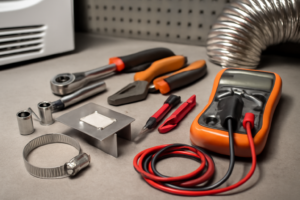
Essential Tools
- Phillips #2 screwdriver
- ¼” nut driver
- Putty knife
- Multimeter
- Work gloves
Replacement Parts
Step-by-Step Repair Instructions
Step 1
Sensor accuracy complaints—clothes still damp at cycle end, or the dryer stopping too early—almost always trace back to dirty sensor bars rather than a failed component. The bars measure moisture by conductivity, so any coating on their surface causes false ‘dry’ readings; cleaning them is the correct first action before replacing anything.
Step 2
Open the dryer door and locate the two horizontal metal strips mounted inside the drum just above the lint screen opening—these are the moisture sensor bars. Scrub both strips firmly with 0000-grade steel wool, which is fine enough to remove the waxy residue left by dryer sheets and the mineral film from hard water without scratching the metal itself.
Step 3
After abrading the bars, wipe them down with white vinegar on a clean cloth to dissolve any remaining mineral deposits, then dry thoroughly with a fresh cloth. The finished surface should look like bright, bare metal with no dull patches or discoloration; any remaining film will continue to cause inaccurate readings.
Step 4
If the bars show visible corrosion pits or the metal surface is compromised even after cleaning, the sensor bar assembly must be replaced. The assembly is secured by two Phillips screws and two wire connectors on the front bulkhead—disconnect power at the breaker before removing any connectors, and note wire positions before unplugging to ensure correct reinstallation.
Step 5
Once the bars are clean or replaced, switch from dryer sheets to liquid fabric softener going forward. Dryer sheets deposit a thin wax layer directly onto the sensor bars on every single cycle, so this one habit change prevents the problem from recurring within weeks.
Step 6
Run a verification cycle using freshly washed, hand-wrung clothing—the high initial moisture gives the sensor a meaningful load to read. On a correctly functioning PTD60EBSRWS, the Auto-Dry cycle should terminate within 3 to 5 minutes of the clothes reaching dry-to-the-touch condition; if it still stops too early or too late, suspect a wiring fault at the connectors or a failed control board sensor input.
Where to Buy Replacement Parts
Find genuine OEM and aftermarket replacement parts for your GE Profile PTD60EBSRWS (Electric) on Amazon:
- GE Profile PTD60EBSRWS moisture sensor bar WE04X28940 replacement
- GE dryer sensor bar steel wool cleaning method
- GE dryer sensor dry calibration mode
When to Call a Professional
If the issue persists after completing all steps above, the problem may involve the sealed refrigerant system, a failed main control board, or wiring that requires specialized diagnostic equipment. Contact a licensed appliance technician — attempting sealed-system repairs without EPA 608 certification is illegal and unsafe.
“`html
How Much Does This Repair Cost?
DIY parts for fixing sensor dry accuracy on the GE Profile PTD60EBSRWS typically cost between $10–$50, depending on whether you need a replacement moisture sensor bar or control board component. A professional service call generally runs $150–$300 including labor. Tackling this repair yourself can save you $100–$250 or more.
“`
Frequently Asked Questions
Why is my GE Profile PTD60EBSRWS stopping the cycle before clothes are fully dry?
The moisture sensor bars may be coated with dryer sheet residue, causing false dry readings. Clean the two metal sensor strips inside the drum with rubbing alcohol and a soft cloth.
Where are the sensor bars located on the PTD60EBSRWS?
The sensor bars are two small metallic strips mounted on the front interior bulkhead, just below the drum opening. They are easy to spot and require no disassembly to clean.
Could a faulty sensor bar require full replacement?
Yes, if cleaning does not restore accuracy, the sensor bar assembly may need replacing. Order GE-compatible part number WE4M415 and follow the bulkhead removal steps outlined in this guide.
Recommended Products
These are the parts and tools we recommend for this repair, based on compatibility and customer reviews:
- PartsBroz WE1M575 Moisture Sensor Rod – Compatible with General Electric Dryer – Replaces AP3949698 1195362 PS1021860 Ultra Durable Replacement
- (2 Pack) Rayhoor 6500EL3001A Dryer Moisture Sensor Bar Replacement Part Fit for LG Kenmore – Replaces PD00001914, 1268224, AP4445128, EAP3529161
- ForeverPRO WE01X22114 Rod Sensor for GE Dryer
- Ge WE15X26994 Dryer Moisture Sensor Wire Harness Genuine Original Equipment Manufacturer (OEM) Part
As an Amazon Associate, I earn from qualifying purchases.