Gas pressure regulator
This step-by-step repair guide walks you through fixing gas pressure regulator on your Frigidaire FGGH3047VF (Gas Range). With the right tools and parts, most homeowners can complete this repair in 1–2 hours and avoid a costly service call.
🔨 Pro Tip from Dave
On the FGGH3047VF, the gas pressure regulator (part number 5304506467) is located behind the manifold panel, and a lot of DIYers make the mistake of not shutting off the gas supply at the house valve before starting — don’t rely solely on the range’s internal shutoff. Also watch for the small rubber O-ring on the inlet fitting; it often gets overlooked during reassembly and causes a slow leak that’s hard to trace.
Part of our Top 20 Oven Models & Common Repair Issues Guide. Browse all oven repair guides for related models and issues.
“`html
Common Symptoms & Causes
The following symptoms on your Frigidaire FGGH3047VF often point directly to a failing gas pressure regulator.
- Burner flames appear unusually low or weak even at the highest setting
- Oven takes significantly longer than normal to reach the set temperature
- Burner flames fluctuate or surge unexpectedly during cooking
- One or more surface burners fail to ignite consistently despite clicking
These issues are typically caused by a worn or internally damaged gas pressure regulator that can no longer maintain consistent gas flow, often due to diaphragm deterioration or debris buildup over years of use.
“`
Safety First
- Unplug the oven from the power outlet before starting any repair — never work on a live appliance.
- Wear work gloves when handling metal brackets, sheet metal edges, or sharp components.
- Take photos with your phone before disconnecting any wiring harnesses or connectors.
- Work in a well-lit area with enough floor space to lay removed panels flat.
Tools & Parts Needed
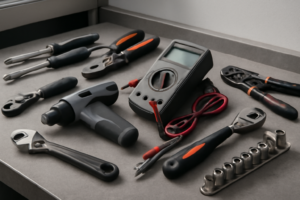
Essential Tools
- Phillips #2 screwdriver
- ¼” nut driver
- Multimeter
- Work gloves (heat-rated)
- Flashlight
Replacement Parts
Step-by-Step Repair Instructions
Step 1
If all burners show weak flame at the same time, the problem is upstream in the gas supply rather than in any individual burner component. Start by confirming the gas supply shutoff valve is fully open, because a partially closed valve restricts pressure to every burner simultaneously and is the simplest fix. Do this before touching any hardware — a closed valve is often overlooked and costs nothing to check.
Step 2
Attach a manometer to a burner orifice or the manifold test port to get an actual pressure reading, because guessing at pressure leads to unnecessary part replacements. Natural gas should read 3.5–7 inches water column (WC) at the burner; LP should read 10–11 inches WC — anything outside these ranges confirms a pressure problem. Pro tip: your gas utility will often perform this test for free, so call them first before buying tools or parts.
Step 3
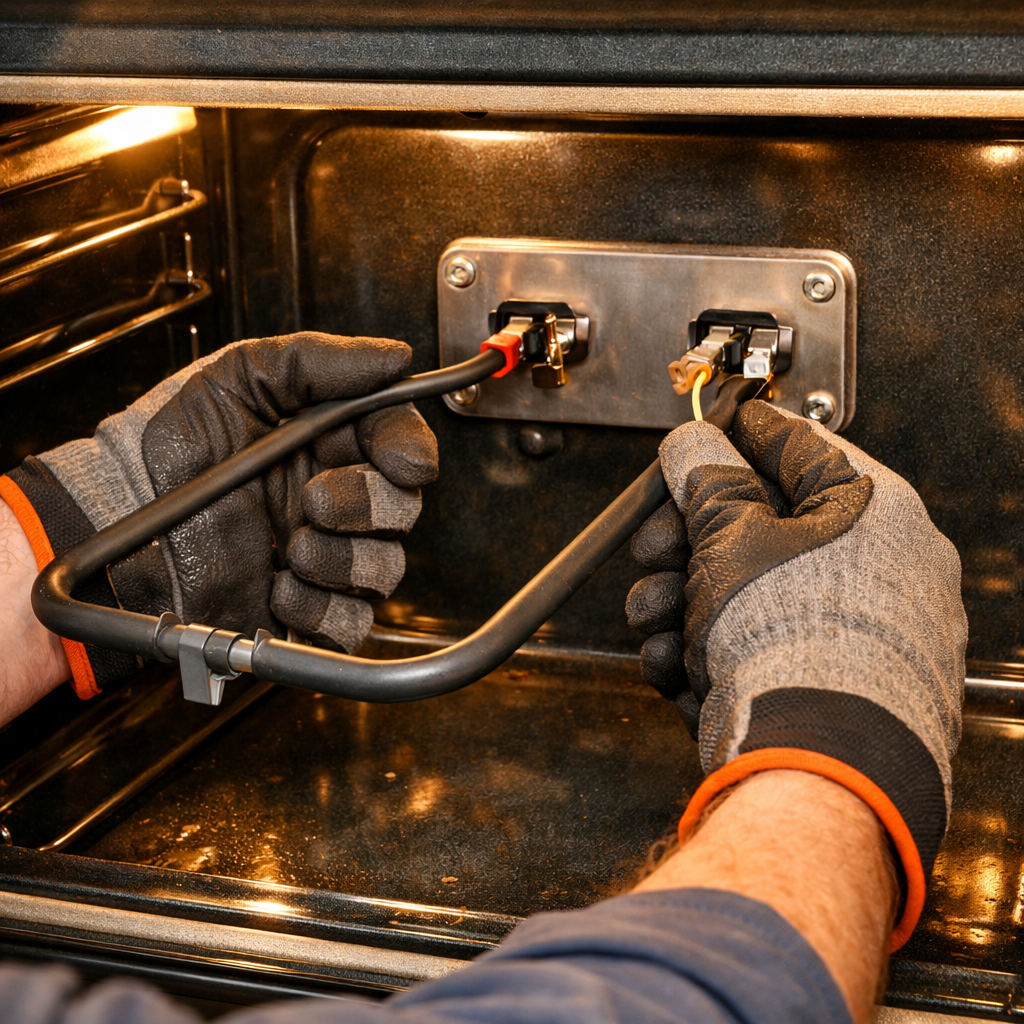
If pressure is low specifically at the regulator outlet, the regulator itself is restricting gas flow and needs to be replaced — a failing regulator typically collapses under demand or loses its set point over time. The regulator sits on the gas manifold behind the control knobs and becomes accessible once you remove the backsplash panel. Always shut off the gas supply at the main valve before disconnecting any manifold fittings.
Step 4
If pressure reads correctly at the regulator outlet but flame is still weak at one or more burners, the problem has shifted downstream to a partially clogged orifice — rust flakes, debris, or grease can partially block the small opening and starve that burner of gas. Remove and inspect each orifice using a 7mm hex driver, then clear any obstruction or replace the orifice if damaged. Never enlarge an orifice with a drill bit; even a few thousandths of an inch changes the fuel-to-air ratio and creates a hazardous flame.
Step 5
Gas pressure adjustment and regulator replacement are regulated activities in many jurisdictions, meaning they must be performed by or in the direct presence of a licensed gas technician — check your local code before proceeding on your own. Attempting this work without proper credentials can void your homeowner’s insurance and create liability if an incident occurs. Call your gas utility first, as they often provide a free pressure check and can tell you whether the issue is on their side of the meter.
Step 6
After any regulator replacement or fitting work, immediately perform a leak check by brushing soapy water over every connection you touched — fittings, union joints, and the regulator inlet and outlet. Watch for bubbles for a full 30 seconds; even slow bubbling indicates a leak that must be corrected before the appliance is used. Do not rely on smell alone, as small leaks may be below your detection threshold but still accumulate to dangerous levels.
Where to Buy Replacement Parts
Find genuine OEM and aftermarket replacement parts for your Frigidaire FGGH3047VF (Gas Range) on Amazon:
- Frigidaire FGGH3047VF gas pressure regulator replacement
- gas range manifold pressure regulator adjustment LP natural gas
- Frigidaire gas range low flame all burners weak
When to Call a Professional
If the issue persists after completing all steps above, the problem may involve the sealed refrigerant system, a failed main control board, or wiring that requires specialized diagnostic equipment. Contact a licensed appliance technician — attempting sealed-system repairs without EPA 608 certification is illegal and unsafe.
“`html
How Much Does This Repair Cost?
A replacement gas pressure regulator for the Frigidaire FGGH3047VF typically costs between $20 and $65 in parts alone. Hiring a professional appliance technician will usually run $150 to $300 once you factor in the service call and labor fees. Tackling this repair yourself can save you $100 or more, making DIY the budget-friendly choice.
“`
Frequently Asked Questions
How do I know if the gas pressure regulator on my Frigidaire FGGH3047VF is faulty?
Common signs include uneven burner flames, burners that won’t ignite consistently, or a noticeable gas smell near the range. If your oven temperature is significantly off, a failing regulator is often the cause.
Is it safe to replace the gas pressure regulator myself?
This repair involves working with a gas line, so always shut off the gas supply before starting. If you’re uncomfortable handling gas components, hiring a licensed technician is strongly recommended.
Where can I find a replacement regulator for the Frigidaire FGGH3047VF?
Order the correct part using your model number from Frigidaire’s official parts site or authorized retailers like RepairClinic or PartSelect. Always verify the part number matches your specific unit before purchasing.
Recommended Products
These are the parts and tools we recommend for this repair, based on compatibility and customer reviews:
- Gas Oven Pressure Regulator for Electrolux Frigidaire 316091706 AP2125390 PS438464 by ERP
- Frigidaire 5304498819 Range Pressure Regulator
As an Amazon Associate, I earn from qualifying purchases.