Ice Maker Water Quality Guide: Hard Water, Soft Water, and Treatment Options
Water quality is one of the most important factors affecting ice maker performance, lifespan, and ice quality. Understanding how water hardness, mineral content, and other factors impact your ice maker can help you choose the right treatment options and maintain your unit properly. This comprehensive guide covers everything you need to know about water quality for ice makers.
This guide is part of our comprehensive Top 20 Ice Maker Models & Common Repair Issues Guide. Check out the full guide for detailed repair information on specific ice maker models.
📊 Water Quality Impact on Ice Makers
Water quality directly affects every aspect of ice maker operation. The minerals, chemicals, and dissolved solids in your water determine how often you need to clean your ice maker, how long it will last, and the quality of ice it produces. Understanding your water quality is the first step to proper ice maker maintenance.
Hard Water vs. Soft Water
Hard Water (High Mineral Content)
Hard water contains high levels of dissolved minerals, primarily calcium and magnesium. These minerals are measured in “grains per gallon” (gpg) or parts per million (ppm). Water with more than 7 grains per gallon (120 ppm) is considered hard.
- ❌ Causes scale buildup quickly – Hard water deposits minerals on ice maker components as water evaporates and freezes. This scale buildup accumulates rapidly, especially in areas where water flows or sits. The evaporator plates, water lines, and pump components are particularly susceptible. Scale can form in as little as 2-4 weeks in very hard water areas, requiring frequent descaling.
- ❌ Clogs water lines and valves – Mineral deposits gradually narrow water passages, restricting flow. Over time, this can completely block water lines, preventing water from reaching the ice maker. Water inlet valves are especially prone to clogging, as minerals accumulate in the valve mechanism. This is one of the most common causes of “no ice production” in hard water areas.
- ❌ Reduces ice production – As scale builds up, water flow decreases, and the ice maker can’t fill the ice mold completely or quickly enough. Reduced water flow means smaller ice cubes or slower production. In severe cases, scale buildup can completely stop ice production. The ice maker may still run, but no ice is produced due to insufficient water flow.
- ❌ Shortens ice maker lifespan – Scale buildup puts extra strain on pumps, motors, and other components. Pumps have to work harder to push water through restricted passages. Motors may overheat trying to overcome increased resistance. This extra wear significantly shortens the lifespan of ice maker components, especially in standalone units where pumps are more critical.
- ✅ Solution: Descale monthly, use inline filter, consider water softener – Regular descaling (monthly in hard water areas) prevents scale from accumulating to problematic levels. An inline water filter can reduce some mineral content before water reaches the ice maker. For very hard water (10+ grains), a whole-house water softener may be the best long-term solution, though it’s a significant investment.
Soft Water
Soft water has low mineral content, typically less than 3 grains per gallon (50 ppm). Water can be naturally soft or softened through treatment systems.
- ✅ Minimal scale buildup – Soft water contains few minerals, so scale formation is minimal. You may only need to descale every 3-6 months instead of monthly. This significantly reduces maintenance requirements and extends component life. Ice makers in soft water areas typically last longer and require less frequent repairs.
- ✅ Longer ice maker life – Without mineral buildup, components operate more efficiently and experience less wear. Pumps don’t have to work as hard, water lines stay clear, and valves operate smoothly. This translates to significantly longer lifespans – ice makers in soft water areas often last 2-3 years longer than those in hard water areas.
- ✅ Better tasting ice – Soft water produces cleaner-tasting ice without mineral flavors. The ice is also clearer and more attractive. Many people notice a significant difference in ice taste when switching from hard to soft water, especially if they’re used to ice with a slight mineral taste.
- ⚠️ Can be corrosive if too soft – Extremely soft water (near 0 grains) can be slightly corrosive to metal components over time. However, this is rarely a problem for ice makers, as most components are plastic or stainless steel. The benefits of soft water far outweigh this minor concern. If you have extremely soft water, you may notice slightly faster wear on metal components, but this is typically not a significant issue.
Ideal Water for Ice Makers
While ice makers can work with various water qualities, ideal water characteristics ensure optimal performance, minimal maintenance, and best ice quality. Here are the recommended water quality parameters:
- Hardness: 3-7 grains per gallon (moderately soft) – This range provides the best balance. Water is soft enough to minimize scale buildup but not so soft that it becomes corrosive. At 3-7 grains, you’ll need descaling every 2-3 months rather than monthly, and components will last significantly longer. Most municipal water supplies fall within or near this range, though well water can vary widely.
- TDS (Total Dissolved Solids): 50-150 ppm – Total Dissolved Solids measures all dissolved substances in water, including minerals, salts, and other compounds. Lower TDS means cleaner water and better ice quality. High TDS (above 200 ppm) can affect ice taste and clarity. You can test TDS with a simple TDS meter, available for $10-20 online.
- pH: 6.5-8.5 – pH measures water’s acidity or alkalinity. Neutral to slightly alkaline water (pH 7-8.5) is ideal. Very acidic water (below 6.5) can be corrosive, while very alkaline water (above 8.5) can cause scale formation. Most tap water falls within this range, but well water can sometimes be outside these parameters.
- Chlorine: Less than 2 ppm – Municipal water supplies use chlorine for disinfection, but high chlorine levels can affect ice taste and may damage some ice maker components over time. Most municipal water has chlorine levels well below 2 ppm, but if you notice a strong chlorine taste in your ice, consider using a carbon filter to remove it.
How to Test Your Water Quality
Before choosing a water treatment solution, it’s important to know your current water quality. Here are several ways to test your water:
- Water hardness test strips – Available at hardware stores or online for $5-10. Simply dip the strip in water and compare the color to the chart. This gives you a quick hardness reading in grains per gallon.
- TDS meter – Digital TDS meters cost $10-20 and provide instant readings of total dissolved solids. Just dip the probe in water for an immediate reading.
- Professional water test – Many water treatment companies offer free or low-cost water testing. They’ll test for hardness, pH, TDS, chlorine, and other parameters. This is the most comprehensive option.
- Contact your water utility – Municipal water suppliers often provide water quality reports that include hardness and other parameters. Check their website or call customer service.
- Well water testing – If you have a well, have your water tested annually by a certified lab. Well water quality can vary significantly and may change over time.
Water Treatment Options
If your water quality isn’t ideal for ice makers, several treatment options can improve it. The best option depends on your water hardness, budget, and specific needs.
Option 1: Inline Water Filter
- Cost: $20-60 initial + $20-40/year for replacements
- Pros: Removes chlorine, sediment, some minerals, easy installation, affordable, improves ice taste, reduces some scale buildup
- Cons: Doesn’t remove all hardness, requires regular replacement, limited effectiveness in very hard water
- Best for: Moderately hard water (5-10 grains), municipal water with chlorine taste, improving ice taste without major investment
- Installation: Inline filters install directly in the water line feeding your ice maker. Most are designed for standard 1/4″ ice maker water lines. Installation typically takes 15-30 minutes and requires basic tools. The filter housing connects between the water supply and the ice maker.
- Maintenance: Replace filters every 6 months, or more frequently in hard water areas. Some filters have indicator lights that show when replacement is needed. Always follow manufacturer recommendations for your specific filter model.
- Effectiveness: Reduces chlorine and sediment effectively, removes some minerals (typically 20-40% reduction in hardness), improves taste significantly. However, inline filters won’t solve severe hard water problems – they’re best for moderate issues.
Option 2: Whole-House Water Softener
- Cost: $500-2,000 installed (varies by size and features)
- Pros: Solves problem for entire home, protects all appliances, improves water throughout house, reduces soap usage, extends appliance lifespans, professional installation available
- Cons: Expensive initial investment, requires maintenance (salt refills), takes up space, may add sodium to water, requires plumbing installation
- Best for: Very hard water (10+ grains), multiple water-using appliances, long-term home ownership, whole-house solution
- How it works: Water softeners use ion exchange to replace calcium and magnesium ions with sodium ions. The system has a resin tank that needs periodic regeneration with salt. Modern units regenerate automatically based on water usage.
- Installation: Typically requires professional installation, as it needs to be plumbed into your main water line. The unit needs space (usually basement or utility room), electrical connection, and a drain for regeneration cycles.
- Maintenance: Requires regular salt refills (typically every 1-2 months depending on usage and water hardness). The system regenerates automatically, using water and salt to clean the resin. Annual maintenance checks are recommended.
- Considerations: Softened water contains sodium, which may be a concern for those on low-sodium diets. However, the sodium content is typically low (less than 12 mg per 8 oz glass). Potassium chloride can be used instead of salt, but it’s more expensive.
Option 3: Reverse Osmosis (RO) System
- Cost: $150-500 (under-sink models), $500-1,500 (whole-house)
- Pros: Purest water available, clearest ice possible, best ice taste, removes virtually all contaminants, no scale buildup, excellent for premium ice makers
- Cons: Wastes water (3-5 gallons waste per gallon produced), slow production rate, requires filter replacements, takes up space, may need storage tank
- Best for: Premium ice quality, clear cube ice production, those willing to invest in best possible water, areas with very poor water quality
- How it works: RO systems force water through a semi-permeable membrane that removes 95-99% of dissolved solids, minerals, and contaminants. The process is slow but produces extremely pure water. Most systems include pre-filters and post-filters for additional treatment.
- Installation: Under-sink RO systems require installation under your kitchen sink with a separate faucet. Whole-house systems require professional installation and more space. Both need drain connections for waste water.
- Maintenance: Requires regular filter replacements (typically every 6-12 months depending on water quality and usage). The RO membrane itself lasts 2-3 years. Pre-filters need more frequent replacement to protect the membrane.
- Water waste: RO systems produce 3-5 gallons of waste water for every gallon of purified water. This is a significant consideration in areas with water restrictions or high water costs. Some newer systems are more efficient, but all RO systems waste some water.
- Ice quality: RO water produces the clearest, best-tasting ice possible. It’s ideal for premium ice makers that produce clear cube ice. The lack of minerals means no scale buildup, extending ice maker life significantly.
Option 4: Distilled/Filtered Water (Manual Fill)
- Cost: $1-2 per gallon (distilled), $0.50-1.00 per gallon (filtered)
- Pros: Perfect for portable ice makers, best ice quality possible, no installation needed, immediate solution, no scale buildup, clearest ice
- Cons: Manual filling required, ongoing cost, not practical for high-volume use, storage space needed, inconvenient for frequent use
- Best for: Countertop portable units, occasional use, best possible ice quality without installation, RVs or temporary setups, testing water quality impact
- Distilled water: Distilled water has been boiled and condensed, removing all minerals and contaminants. It’s the purest water available and produces the clearest ice. However, it’s more expensive than filtered water and requires purchasing or distilling yourself.
- Filtered water: High-quality filtered water (from a home filter system or store-bought) removes most minerals and contaminants while being more affordable than distilled. Many people use filtered water from their refrigerator or home filtration system.
- Practical considerations: For portable ice makers, using distilled or filtered water is often the most practical solution. These units have small reservoirs that are easy to fill manually. The improved ice quality and lack of maintenance often justify the cost for occasional use.
- Cost analysis: A typical portable ice maker uses 1-2 gallons of water per day. At $1-2 per gallon, that’s $30-60 per month for distilled water, or $15-30 for filtered. Compare this to the cost of descaling solutions and potential repairs from hard water damage.
Choosing the Right Water Treatment
Decision Guide by Water Hardness:
- 0-3 grains (Soft): No treatment needed. Your water is ideal for ice makers. Just maintain regular cleaning schedules.
- 3-7 grains (Moderately Soft): Optional inline filter for taste improvement. Your water is acceptable, but a filter can improve ice taste and reduce minor scale buildup.
- 7-10 grains (Moderately Hard): Inline filter recommended. Monthly descaling will be necessary. Consider whole-house softener if you have multiple appliances affected.
- 10-15 grains (Hard): Whole-house softener or RO system recommended. Monthly descaling essential. Hard water will significantly impact ice maker lifespan without treatment.
- 15+ grains (Very Hard): Whole-house softener strongly recommended. Weekly to bi-weekly descaling may be needed without treatment. Ice maker lifespan will be significantly shortened.
Decision Guide by Ice Maker Type:
- Refrigerator Ice Makers: Inline filter is most practical. Whole-house softener if water is very hard. RO system if you want premium clear ice.
- Portable Countertop Units: Distilled/filtered water is often best. Easy to fill manually, and the improved quality is noticeable. Inline filter if connected to water line.
- Built-In Ice Makers: Whole-house softener or RO system recommended. These premium units deserve the best water quality. Professional installation of treatment system is typical.
- Nugget Ice Makers (GE Opal): Inline filter or RO system. These units require frequent descaling anyway, so good water quality reduces maintenance burden.
Water Quality Maintenance Tips
Regular Monitoring:
- Test water hardness annually, or when you notice increased scale buildup
- Monitor ice quality – cloudy ice or off-tastes may indicate water quality issues
- Track descaling frequency – if you need to descale more often, water quality may have changed
- Check filter replacement schedules – filters that need replacement sooner may indicate higher contaminant levels
Signs of Water Quality Problems:
- Cloudy ice – High mineral content or air bubbles in water
- Off-taste or smell – Chlorine, minerals, or contaminants in water
- Rapid scale buildup – Hard water, need more frequent descaling
- Reduced ice production – Clogged water lines from mineral buildup
- White residue – Mineral deposits visible on ice or components
Cost-Benefit Analysis
Example: Hard Water Area (12 grains)
Without Treatment:
- Monthly descaling: $15/month = $180/year
- Reduced ice maker lifespan: Replace 2 years earlier = $300-600 cost
- Potential repairs from scale damage: $100-200/year average
- Total annual cost: $280-380
With Inline Filter ($40/year):
- Filter replacements: $40/year
- Bi-monthly descaling: $7.50/month = $90/year
- Extended lifespan: Saves $150-300 over ice maker life
- Total annual cost: $130
- Annual savings: $150-250
With Whole-House Softener ($1,500 installed):
- Initial cost: $1,500 (amortized over 10 years = $150/year)
- Salt and maintenance: $100/year
- Quarterly descaling: $3.75/month = $45/year
- Extended lifespan: Saves $300-600 over ice maker life
- Protects all appliances: Additional $200-400/year savings
- Total annual cost: $295
- Payback period: 3-5 years
Related Resources
For detailed repair guides on specific ice maker models, check out our Top 20 Ice Maker Models & Common Repair Issues Guide. For comprehensive troubleshooting and maintenance information, see our Common Ice Maker Repair Guide and our Ice Maker Buying Guide.
Disclosure: As an Amazon Associate, we earn from qualifying purchases. This means if you click on an affiliate link and make a purchase, we may receive a small commission at no additional cost to you. This helps support our site and allows us to continue providing free repair guides.
Recommended Water Quality Products
To help you test your water quality and choose the right treatment options for your ice maker, we’ve compiled a list of recommended products available on Amazon. These products can help you test your water, filter it, or treat it to ensure optimal ice maker performance.
Water Test Kits
Testing your water quality is the first step to understanding what treatment options you need. Here are five different water test options to choose from:

Varify Water Hardness Test Kit – Water Testing Kit for Home, Drinking, Well, Spa, Swimming Pool, Softener, Dishwasher & More – Hard Water Test Strips for Calcium, Magnesium etc (0-425 pmm, 150 Strips) – $9.99 ($0.10 / count)
WeAQUA DoubleCheck Water Hardness Test Kit 200 Strips with Sample Cup – Hard Water Testing Strips (0-25 gpg / 0-425 ppm) – $9.47 ($0.05 / count)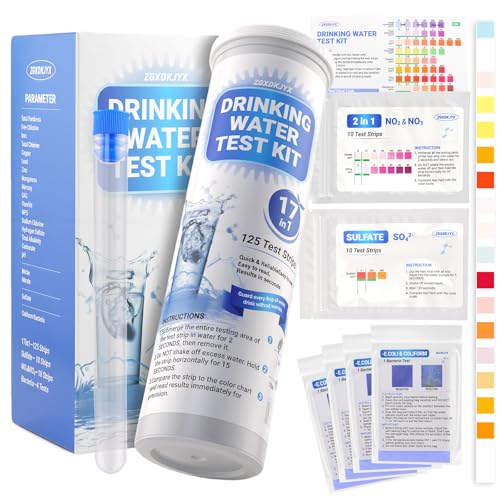
21-in-1 Home Drinking Water Testing Kit,145 Strips + 4 Bacteria Tests,Tap and Well Water Test Kit, Easy to Test and Read Home Test Strips for Hardness, Lead, Iron, Fluoride, pH, Copper and More – $23.99 ($0.17 / count)
2025 All-New 4 in 1 Tds Meter Digital Water Tester – Accurate and Reliable TDS EC & Temp(°C,°F) Meter – 0-9999ppm – Professional Testing for Drinking Water, RO/DI System, Aquariums etc – $10.99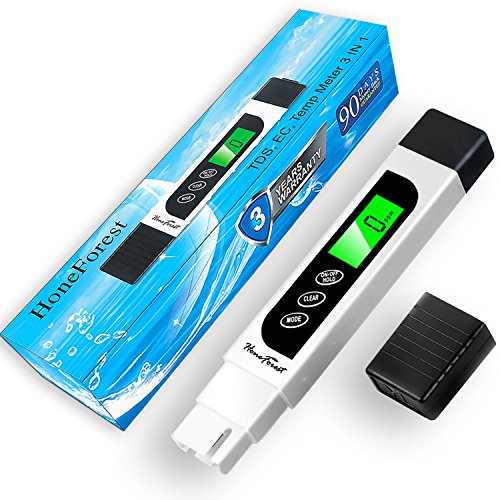
HoneForest TDS Meter, Digital Water Tester – Accurate and Reliable, Measures TDS, EC & Temperature (°F/°C), 0-9990ppm, Water Test Meter for Drinking Water, RO/DI System, Aquariums, etc – $13.97
Inline Water Filters
Inline water filters are an affordable and easy-to-install solution for improving water quality before it reaches your ice maker. Here are two recommended options:

AQUA CREST 5 Years Capacity -Inline Water Filter for Refrigerator with 1/4-Inch Direct Connect Fittings, Idea for Ice Maker, RV, Refrigerator, RO System, In Line Water Line Filter, Reduces PFAS/PFOA – $25.99
EcoPure EPINL30 5-Year In-Line Refrigerator Water Filter – Universal Fit for Most Fridges, Ice Makers, RVs & Boats – Reduces Chlorine Taste & Odor – Easy DIY Install with 1/4″ Fittings – $35.10
Whole-House Water Softeners
For homes with very hard water, a whole-house water softener protects all your appliances, including your ice maker. Here are two recommended systems:

Aquasure Harmony Series 48,000 Grains Whole House Water Softener w/High Efficiency Digital Metered Control Head (48,000 Grains) – $553.90 ($55.39 / in)
Aquasure Harmony Series 50,000 Grains Whole House Water Softener with High Performance Automatic Digital Metered Control Head | Reduces Hardness & Minerals | Improve Water Quality | for 4-6 Bathrooms – $629.99
Reverse Osmosis (RO) Systems
For the purest water and clearest ice possible, reverse osmosis systems remove virtually all contaminants. Here are two recommended RO systems:

iSpring RCC7AK, NSF Certified, 75 GPD, Alkaline 6-Stage Reverse Osmosis System, pH+ Remineralization RO Water Filter System Under Sink, Patented Top-Mounted Faucet Design for Easy Installation – $234.99
iSpring RCC7, NSF Certified, High Capacity Under Sink 5-Stage Reverse Osmosis Water Filter, RO Drinking System, 75 GPD, Brushed Nickel Faucet, Patented Top-Mounted Faucet Design for Easy Installation – $186.95
Disclosure: As an Amazon Associate, we earn from qualifying purchases. This means if you click on an affiliate link and make a purchase, we may receive a small commission at no additional cost to you. This helps support our site and allows us to continue providing free repair guides.