Ice Maker Buying Guide: Countertop Nugget, Portable, and Built-In Models
This comprehensive buying guide helps you choose the right ice maker for your needs, whether you want chewable nugget ice, portable convenience, or built-in luxury. We cover countertop nugget ice makers, portable bullet ice units, under-counter models, different ice types, and essential maintenance procedures.
This guide is part of our comprehensive Top 20 Ice Maker Models & Common Repair Issues Guide. Check out the full guide for detailed repair information on specific ice maker models.
COUNTERTOP NUGGET ICE MAKERS
Nugget ice (also called “Sonic ice” or “chewable ice”) is soft, pellet-shaped ice that’s perfect for drinks, cocktails, and smoothies. These countertop units make the same type of ice you get at Sonic Drive-In restaurants.
Best Overall:
1. GE Profile Opal 2.0 ($500-600)
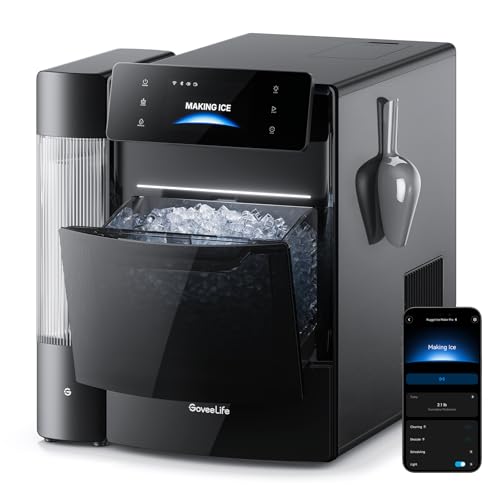
- Pros: Best nugget ice quality, smart features, side tank option, Wi-Fi enabled, app control, quiet operation, large capacity bin, self-cleaning reminder
- Cons: Expensive, requires frequent descaling (every 1-2 months), takes up counter space, needs regular maintenance
- Reliability: Good with proper maintenance. The 2.0 version improved on Gen 1’s issues with better pump design and quieter operation.
- Lifespan: 5-8 years typical with regular descaling and maintenance. Premium units are worth repairing if issues arise.
- Best For: Serious nugget ice enthusiasts who want the best quality and don’t mind the price. The side tank option allows continuous operation without frequent refilling.
- Key Features: Makes 24 lbs of nugget ice per day, side tank attachment available for $100-150, smart connectivity via app, quieter than Gen 1, improved pump design, larger ice bin capacity
2. GE Profile Opal 1.0 ($350-450 used)
- Pros: Same ice quality as 2.0, more affordable used, makes excellent nugget ice, proven design
- Cons: Louder operation (pump and compressor), no side tank option, discontinued (only available used), no smart features, no cleaning reminder
- Reliability: Decent with maintenance. The Gen 1 has been around longer, so there’s more information about common issues and repairs.
- Lifespan: 4-7 years typical. Used units may have less life remaining depending on previous maintenance.
- Best For: Budget-conscious buyers who want nugget ice quality but can’t afford the 2.0. Good option if you find a well-maintained used unit.
- Key Features: Makes 24 lbs of nugget ice per day, same ice quality as 2.0, manual operation (no app), requires more frequent manual descaling
Alternatives:
3. Frigidaire Nugget Ice Maker ($400-500)

- Pros: Cheaper than GE Opal, makes nugget ice, newer model with modern features, good brand reputation
- Cons: Not quite as good ice quality as GE Opal, smaller production capacity, less established track record
- Reliability: Newer model, limited track record. Frigidaire is a reputable brand, but this specific model hasn’t been on the market as long as the GE Opal.
- Lifespan: Estimated 4-6 years based on similar units, but actual data is limited due to being a newer model
- Best For: Those who want nugget ice but prefer a brand other than GE, or those looking for a slightly more affordable nugget ice option
- Key Features: Makes nugget ice similar to GE Opal, compact design, modern styling, good value for nugget ice capability
PORTABLE COUNTERTOP ICE MAKERS (Bullet Ice)
Portable countertop ice makers produce bullet-shaped ice (cylindrical with hollow center). These are the most affordable ice maker options and are perfect for occasional use, RVs, small apartments, or as a backup ice source.
Best Value:
1. Igloo ICEB26HNBK ($100-130)
- Pros: Best-seller on Amazon, reliable for price point, affordable, makes ice quickly (6-8 minutes), compact design, easy to use, good customer support
- Cons: Bullet ice (not nugget), needs frequent descaling in hard water areas, plastic components, limited lifespan, not as durable as premium units
- Reliability: Good for price point. Igloo is a well-known brand with decent quality control. These units work well for 2-4 years with proper maintenance.
- Lifespan: 2-4 years typical. Budget units aren’t designed for long-term use, but this is one of the better options in the budget category.
- Best For: First-time ice maker buyers, occasional use, RVs, small spaces, budget-conscious consumers
- Key Features: Makes 26 lbs of ice per day, bullet-shaped ice, compact 15″ x 11″ footprint, makes ice in 6-8 minutes, simple controls, water level indicator
2. Frigidaire EFIC189 ($120-150)
- Pros: Compact design, stainless steel exterior, decent quality for price, Frigidaire brand reliability, makes ice in 6 minutes, three ice size options
- Cons: Plastic components wear over time, smaller capacity than some competitors, requires regular descaling, not as durable as premium units
- Reliability: Average. Frigidaire is a reputable brand, but budget portable units have inherent limitations. Works well for 2-3 years with maintenance.
- Lifespan: 2-3 years typical. The stainless steel exterior looks good but internal components are similar to other budget units.
- Best For: Those who want a compact, stylish unit from a known brand. Good for small kitchens or as a secondary ice source.
- Key Features: Makes 26 lbs/day, stainless steel exterior, compact design, three ice sizes, 6-minute ice production, easy-to-clean interior
3. NewAir AI-215SS ($180-220)

- Pros: Higher production (50 lbs/day), larger capacity, stainless steel design, three ice sizes, better build quality than budget options, larger ice bin
- Cons: More expensive than basic units, still makes bullet ice (not nugget), takes up more counter space, requires more frequent descaling due to higher production
- Reliability: Good. NewAir makes quality portable appliances, and this unit is better built than budget options. Expect fewer issues than cheaper units.
- Lifespan: 3-5 years typical. The higher price reflects better components and construction, resulting in longer lifespan.
- Best For: Those who need higher ice production but don’t want to pay for nugget ice. Good for families or frequent entertainers.
- Key Features: Makes 50 lbs of ice per day, large capacity bin, stainless steel construction, three ice size options, digital display, self-cleaning function
Budget Options:
- hOmeLabs ($100-120) – Adequate for occasional use. Popular on Amazon with decent reviews. Makes 26 lbs/day, compact design. Good for light use but expect shorter lifespan (1-3 years). Requires frequent descaling.
- Magic Chef MCIM22ST ($80-100) – Entry-level option, short lifespan (1-3 years). Very basic unit, makes 27 lbs/day. Adequate for very occasional use but not recommended for regular use. Plastic components wear quickly.
- Euhomy IM-01 ($110-140) – Popular on Amazon, decent quality for price. Makes 26 lbs/day, self-cleaning function, bullet ice. Better than Magic Chef but still budget-tier. Good reviews from users, 2-3 year typical lifespan.


What to Avoid:
- ❌ Unknown Chinese brands under $80 – These units often have poor quality control, no customer support, and fail quickly. The low price reflects poor components and construction. You’ll likely end up replacing it within a year.
- ❌ Units without brand support or reviews – If you can’t find reviews or the brand has no presence, avoid it. You’ll have no support if something goes wrong, and parts won’t be available.
- ❌ Models with consistent negative reviews about failures – Read reviews carefully. If multiple users report the same failure (compressor, pump, etc.) within months of purchase, avoid that model. Some models have known design flaws.
UNDER-COUNTER/BUILT-IN ICE MAKERS
Built-in ice makers are permanently installed under counters or in home bars. These premium units produce high-quality clear ice and are designed for heavy use and long lifespans.
Premium Tier ($1,500-3,000+):
- Scotsman – Commercial-grade quality, clear gourmet ice, 15+ year lifespan. Scotsman is the gold standard for built-in ice makers. These units are built like commercial equipment and last for decades with proper maintenance. Produces crystal-clear cube ice perfect for premium cocktails. Typical production: 65-100 lbs/day depending on model. Requires professional installation and water line connection.
- U-Line CLR2160S – Premium clear ice, excellent build quality, 10-15 years. U-Line makes high-end built-in appliances, and their ice makers are no exception. Produces beautiful clear cube ice, perfect for entertaining. Sleek design fits seamlessly into kitchen or bar installations. Professional installation recommended. Production: 40-65 lbs/day.
- Marvel – High-end residential, very reliable, 10-15 years. Marvel is known for premium built-in refrigeration and ice makers. Excellent build quality and reliability. Produces clear cube ice, perfect for home bars and kitchens. Professional installation required. Production: 50-80 lbs/day.


Mid-Tier ($800-1,500):
- EdgeStar – Good value, clear ice, 5-10 years. EdgeStar offers built-in ice makers at a more affordable price point while still producing quality clear ice. Good option for those who want built-in convenience without premium pricing. Requires installation but more DIY-friendly than premium units. Production: 40-60 lbs/day.
- Avallon – Decent quality, 5-8 years. Avallon makes various built-in appliances including ice makers. Good mid-range option with decent reliability. Produces cube ice, suitable for home use. Installation required. Production: 35-50 lbs/day.
- NewAir Built-In – Budget-friendly built-in, 5-8 years. NewAir’s built-in models offer the convenience of permanent installation at a lower price. Not as premium as Scotsman or U-Line, but functional and reliable. Good for those who want built-in without premium cost. Production: 30-45 lbs/day.

When to Consider Built-In:
- Permanent installation in home bar or kitchen – Built-in units are designed for permanent installation. If you’re building or remodeling a bar or kitchen, built-in ice makers provide a seamless, professional look.
- Want clear cube ice (not nugget or bullet) – Built-in units excel at producing clear, dense cube ice perfect for cocktails and entertaining. If you want restaurant-quality clear ice, built-in is the way to go.
- High daily production needs (50-80 lbs) – Built-in units produce significantly more ice than countertop models. If you entertain frequently or have high ice needs, built-in units can keep up with demand.
- Willing to invest $1,000+ – Built-in ice makers are a significant investment. You need to be willing to spend $1,000-3,000+ for the unit plus installation costs. This is a long-term investment in your home.
🧊 Ice Types Explained
Nugget Ice (Sonic/Chewable Ice)
- What it is: Small, soft, chewable ice pellets that are easy to bite and chew. The texture is similar to shaved ice but more compact.
- Made by: GE Opal, Frigidaire nugget ice makers, commercial machines like those at Sonic Drive-In restaurants
- Best for: Drinks, cocktails, smoothies, chewing. The soft texture makes it perfect for blended drinks and people who enjoy chewing ice.
- Why people love it: Soft texture, absorbs flavor from drinks, fun to chew, doesn’t hurt your teeth, cools drinks quickly
- Downside: Melts faster than cube ice, more expensive equipment needed, requires more maintenance
- Cost: Premium – $400-600 for countertop units that make nugget ice
- Production: Typically 24-26 lbs per day for countertop units
Bullet Ice (Cylindrical with Hollow Center)
- What it is: Small cylinder shape with a hollow center, resembling a bullet. The hollow center means less ice per cube, so it melts faster.
- Made by: Most portable countertop ice makers including Igloo, Frigidaire, NewAir, hOmeLabs, and budget brands
- Best for: Everyday drinks, quick ice needs, RVs, small spaces, budget-conscious consumers
- Characteristics: Cools drinks fast due to surface area, melts quickly, lightweight, less dense than cube ice
- Downside: Melts fast (drinks get watered down), not as dense, hollow center means less ice per cube
- Cost: Budget-friendly – $80-200 for countertop units that make bullet ice
- Production: Typically 26-50 lbs per day depending on unit size
Cube Ice (Traditional Square)
- What it is: Solid cube, like traditional refrigerator ice. Dense, slow-melting, versatile ice that most people are familiar with.
- Made by: Refrigerator ice makers, some premium standalone units, most built-in ice makers
- Best for: General purpose, slow-melting needs, cocktails that need ice that lasts, mixed drinks
- Characteristics: Dense, melts slowly, versatile, familiar to most people, displaces more liquid in drinks
- Cost: Included with refrigerator or $800+ for standalone cube ice makers
- Production: Varies widely – refrigerator units make 8-12 lbs/day, built-in units make 40-100 lbs/day
Clear Gourmet Ice
- What it is: Crystal-clear cubes with no cloudiness or air bubbles. The clarity comes from slow freezing that allows air bubbles to escape.
- Made by: Under-counter ice makers (Scotsman, U-Line, Marvel) and some premium built-in units
- Best for: Premium cocktails, entertaining, presentation, high-end bars and restaurants
- Why it’s clear: Slow freezing process removes air bubbles that cause cloudiness. The ice freezes from one direction, pushing air out rather than trapping it.
- Downside: Expensive equipment needed ($1,500-3,000+), requires professional installation, takes longer to produce than regular ice
- Cost: $1,500-3,000+ for equipment that produces clear gourmet ice
- Production: Typically 40-100 lbs per day for built-in units
Crescent Ice (Half-Moon Shape)
- What it is: Curved half-moon shape that fits well in glasses and displaces less liquid than full cubes
- Made by: Commercial Scotsman machines, some built-in residential units, high-end commercial ice makers
- Best for: Restaurants, bars, high volume establishments, situations where ice displacement matters
- Characteristics: Displaces less liquid (more drink in glass), fits glasses well, professional appearance, efficient use of space
- Cost: Commercial equipment – $2,000+ for units that produce crescent ice
- Production: High volume – 100+ lbs per day for commercial units
🧼 Cleaning & Descaling Procedures
REFRIGERATOR ICE MAKERS
Monthly Maintenance:
- Empty ice bin completely – Remove all ice from the bin. This prevents old ice from affecting taste and allows you to clean the bin thoroughly. Discard old ice rather than using it.
- Wash bin with warm soapy water – Use mild dish soap and warm water to clean the ice bin. Rinse thoroughly to remove all soap residue. Soap residue can affect ice taste. Allow bin to dry completely before replacing.
- Wipe down ice maker surfaces with mild cleaner – Use a soft cloth dampened with a mild cleaner (vinegar solution or commercial ice maker cleaner) to wipe down the ice maker assembly. Be gentle around sensors and moving parts. Avoid harsh chemicals that could damage components.
- Check water filter – replace if 6+ months old – Water filters should be replaced every 6 months, or more frequently in hard water areas. A clogged filter reduces water flow and affects ice production. Check the filter date and replace if needed.
- Inspect water line for kinks or damage – Visually inspect the water line for kinks, cracks, or damage. Kinks restrict water flow, and cracks can cause leaks. Replace damaged lines immediately to prevent water damage.
Deep Clean (Every 6 Months):
- Turn off ice maker – Locate the on/off switch or lever on the ice maker assembly and turn it off. This prevents the unit from trying to make ice during cleaning. Some models have a switch, others have a lever you flip.
- Remove ice bin and wash thoroughly – Take the ice bin out completely and wash it with warm soapy water. Use a soft brush to remove any residue or buildup. Rinse thoroughly and allow to air dry completely before replacing.
- Wipe all interior surfaces with vinegar solution (1:1 water:vinegar) – Mix equal parts white vinegar and water. Use a soft cloth to wipe down all accessible surfaces of the ice maker. Vinegar helps remove mineral deposits and sanitizes surfaces. Be careful not to get vinegar solution into electrical components.
- Clean ice chute and dispenser (if applicable) – If your refrigerator has an ice dispenser, clean the chute and dispenser mechanism. Use a soft brush or cloth to remove any ice buildup or residue. Some models have removable chute covers for easier cleaning.
- Replace water filter – Install a new water filter as part of the deep clean. This ensures clean water for ice production and prevents filter-related issues. Follow manufacturer instructions for filter replacement.
- Run 3 batches of ice and discard (flushes system) – After cleaning, turn the ice maker back on and allow it to produce 3 complete batches of ice. Discard this ice – it may contain cleaning solution residue or loosened mineral deposits. This flushing process ensures clean ice production.
- Turn ice maker back on – Once you’ve completed cleaning and flushing, turn the ice maker back on. It should begin normal operation. Monitor the first few batches to ensure everything is working correctly.
STANDALONE ICE MAKERS
Weekly Maintenance (Light Use):
- Empty and clean ice bin – Remove all ice and wash the bin with warm soapy water. This prevents ice from sitting too long and developing off-flavors.
- Wipe exterior with damp cloth – Keep the exterior clean to maintain appearance and prevent buildup of dust or spills.
- Check water level indicator – Ensure the water level is appropriate. Overfilling or underfilling can cause operational issues.
Monthly Descaling (Essential for Hard Water Areas):
- Empty unit completely – Remove all ice and water from the unit. Turn off the unit and unplug it for safety.
- Prepare descaling solution – Use commercial ice maker descaler according to package instructions, or mix 1 cup white vinegar with 1 cup water for natural descaling.
- Fill reservoir with descaling solution – Pour the solution into the water reservoir. Don’t overfill – follow the unit’s fill line.
- Run cleaning cycle – Most units have a cleaning or descaling cycle. Follow manufacturer instructions to activate this cycle. The unit will circulate the solution through the system.
- Drain solution – After the cleaning cycle, drain the solution completely. Some units have a drain function, others require manual draining.
- Rinse thoroughly – Fill the reservoir with clean water and run several cycles to rinse out all descaling solution. Repeat until water runs clear and there’s no vinegar smell.
- Run 3-5 ice cycles and discard – Produce several batches of ice and discard them. This ensures all cleaning solution is flushed from the system before you use the ice.
Deep Clean (Every 3-6 Months):
- Unplug unit – Always unplug before deep cleaning for safety.
- Remove all removable parts – Take out ice bin, water reservoir (if removable), and any other accessible components.
- Clean removable parts – Wash all removable parts with warm soapy water. Use a soft brush for stubborn deposits. Rinse thoroughly.
- Clean pump intake and filters – Use a soft brush to clean the pump intake area and any filters. Mineral buildup here can restrict water flow significantly.
- Clean sensors – Gently wipe sensors with a soft, damp cloth. Dirty sensors can cause false readings and operational issues.
- Wipe interior surfaces – Clean all accessible interior surfaces with vinegar solution or commercial cleaner. Be gentle and avoid electrical components.
- Reassemble and test – Put all parts back together, plug in the unit, and test operation. Run several ice cycles and discard the first batches.
Descaling Frequency Guide:
- Soft water areas: Descaling every 3-4 months is usually sufficient. Soft water has fewer minerals, so buildup is slower.
- Moderate hard water: Monthly descaling recommended. This prevents significant buildup that can affect performance.
- Very hard water: Descaling every 2-3 weeks may be necessary. Hard water areas require more frequent maintenance to prevent mineral buildup.
- High-use units: More frequent descaling needed. Units that run constantly accumulate minerals faster and need more frequent cleaning.
Buying Decision Guide
Choose Nugget Ice Maker If:
- You love chewable ice and want Sonic-style ice at home
- You’re willing to spend $400-600 for premium ice quality
- You don’t mind frequent descaling and maintenance
- You have counter space available
- You make smoothies, cocktails, or enjoy chewing ice
Choose Portable Countertop If:
- You want affordable ice making ($80-200)
- You need portable convenience (RVs, small spaces)
- Bullet ice is acceptable for your needs
- You have limited space or budget
- You need occasional or backup ice production
Choose Built-In If:
- You’re building or remodeling a bar or kitchen
- You want clear gourmet ice for entertaining
- You need high production (50-100 lbs/day)
- You’re willing to invest $1,000-3,000+
- You want permanent, seamless installation
Related Resources
For detailed repair guides on specific ice maker models, check out our Top 20 Ice Maker Models & Common Repair Issues Guide. For comprehensive troubleshooting and safety information, see our Common Ice Maker Repair Guide.
Disclosure: As an Amazon Associate, we earn from qualifying purchases. This means if you click on an affiliate link and make a purchase, we may receive a small commission at no additional cost to you. This helps support our site and allows us to continue providing free repair guides.