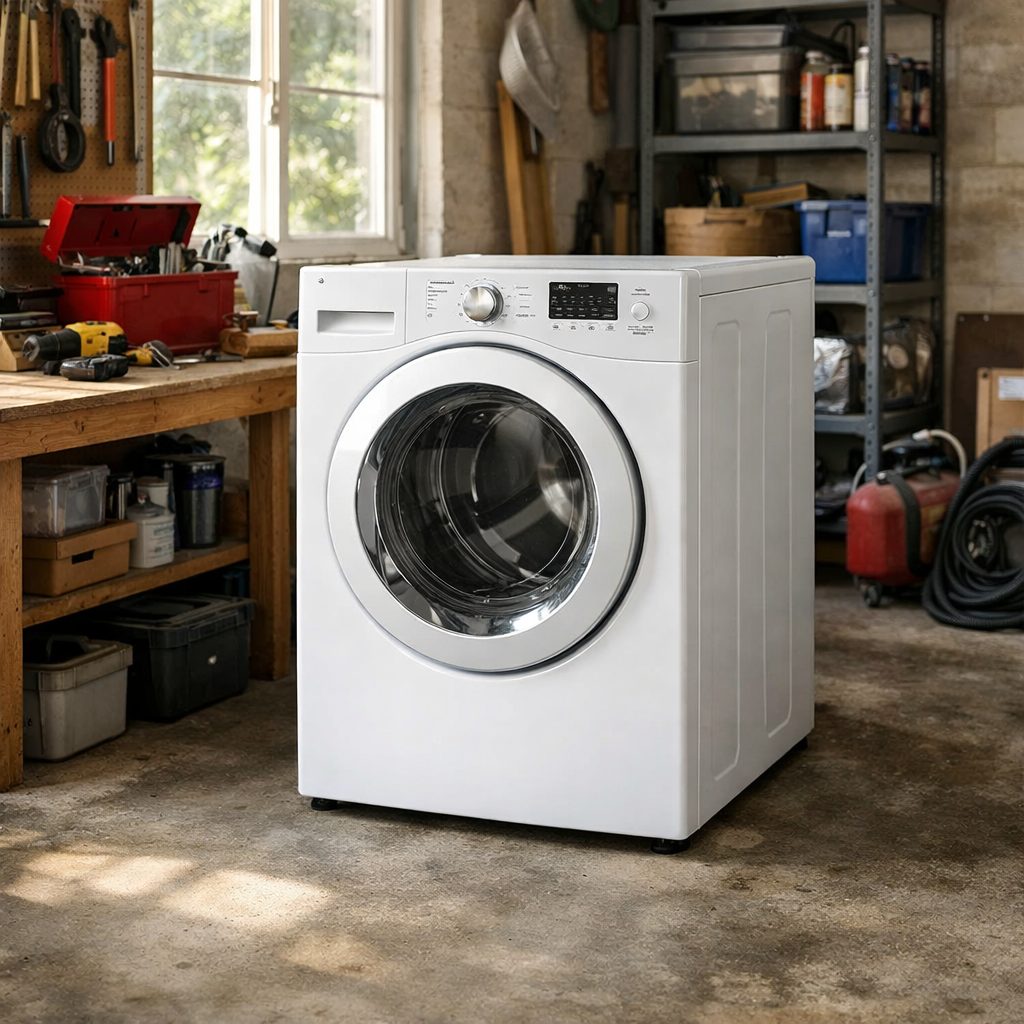
Door Seal Mold
This step-by-step guide will walk you through the process of fixing door seal mold on your Maytag MHW6630HW (Front Load). With the right tools and parts, most homeowners can complete this repair in 1-2 hours, saving the hassle and cost of a service call.
🔨 Pro Tip from Dave
For the MHW6630HW, the door boot seal part number is W10381562. Be careful not to purchase a generic fit, as the drain holes on this specific gasket need to align precisely. Also, check the small weep holes at the bottom of the gasket; they often clog on this model and can be the root cause of mold before a full replacement is necessary.
Part of our Top 20 Washing Machine Models & Common Repair Issues Guide. Browse all washing machine repair guides for related models and issues.
Common Symptoms & Causes
These symptoms on your Maytag MHW6630HW typically indicate mold buildup on the door seal gasket:
- Black or dark green spots on the rubber door gasket folds
- A musty or mildew smell coming from the washer drum after cycles
- Dark residue transferring onto freshly washed laundry
- Visible slime or discoloration along the inner lip of the door boot seal
Typically, this issue arises from trapped moisture and detergent residue inside the gasket folds, often exacerbated by using too much HE detergent or consistently keeping the washer door closed between cycles.
Safety First
- Unplug the washing machine from the power outlet before starting any repair — never work on a live appliance.
- Shut off the water supply valve before disconnecting any water lines or hoses.
- Wear work gloves when handling metal brackets, sheet metal edges, or sharp components.
- Take photos with your phone before disconnecting any wiring harnesses or connectors.
- Work in a well-lit area with enough floor space to lay removed panels flat.
Tools & Parts Needed
Essential Tools
- Phillips #2 screwdriver
- ¼” nut driver
- Torx T20 screwdriver
- Multimeter
- Bucket and towels
Replacement Parts
- Door boot seal
- Retaining ring wire spring
- Mold removal cleaner
- Rubber gloves
Step-by-Step Repair Instructions
Step 1
Apply a mold-specific cleaner — either bleach-based or hydrogen peroxide — to every fold and crevice of the boot seal. Let it dwell for 20 minutes to break down mold colonies at the root, then scrub thoroughly with an old toothbrush and rinse clean. Surface mold that hasn’t penetrated the rubber will be removed with this treatment, avoiding an unnecessary seal replacement. Pro tip: wear gloves and ensure the area is ventilated, especially when using bleach-based cleaners.
Step 2
Pull back the inner folds of the boot seal and inspect the rubber closely. Permanent black staining that won’t wipe away, or any soft, cracked, or torn areas indicate the rubber has deteriorated beyond cleaning. Once mold has compromised the seal material, it will harbor bacteria and eventually cause leaks, so replacement becomes the only reliable fix.
Step 3
To remove the old seal, use a flat-head screwdriver starting at the 12-o’clock position to pry the wire spring retaining ring out of its groove on the front panel flange, working around the full circumference. Tuck the freed boot lip into the drum for clearance, then pull the inner lip off the tub flange. Take care not to gouge the flange surfaces, as any damage can prevent the new seal from seating properly and lead to leaks.
Step 4
Before installing the new seal, scrub the front panel flange and tub flange thoroughly with bleach cleaner to eliminate any remaining mold spores. This step is critical because installing a fresh seal over contaminated flanges will seed the new rubber with mold immediately, repeating the problem within weeks.
Step 5
Press the inner lip of the new seal onto the tub flange first, aligning the marked drain hole at the 6-o’clock position to ensure water routes correctly into the drain path. Stretch the outer lip over the front panel flange all the way around, then reinstall the wire spring ring starting at 6-o’clock, pressing it firmly into the groove around the entire circumference. Any unset section of the spring could allow the seal to blow off during a spin cycle.
Step 6
After every wash cycle, leave the door ajar to allow airflow through the drum and boot seal folds. Mold thrives in the trapped moisture of a sealed door. Run an Affresh Tub Clean cycle monthly to remove detergent residue and biofilm before they build up enough to feed new mold growth. These two habits are the primary reasons mold returns on front-loaders that have been cleaned or resealed.
Where to Buy Replacement Parts
- Maytag MHW6630HW door boot seal WPW10253866 replacement
- Washing machine door gasket mold remover spray front load
- Front load washer door seal installation spring wire
When to Call a Professional
If the issue persists after completing all the steps above, there may be a problem with the main control board, a worn drive motor, or wiring that requires specialized diagnostic equipment. In that case, contact a licensed appliance technician and remember to shut off both the hot and cold supply valves before any work that opens the fill circuit.
How Much Does This Repair Cost?
| Repair route | Typical cost |
|---|---|
| Do it yourself | $30–$80 (parts) |
| Professional repair | $150–$300 (parts and labor) |
Replacing the door seal on a Maytag MHW6630HW typically costs $30–$80 in parts if you tackle the repair yourself. A professional service call for this same fix usually runs $150–$300, including labor and parts. Choosing the DIY route can save you $100 or more, making it a worthwhile project for most homeowners.
Frequently Asked Questions
Is the mold on my Maytag MHW6630HW door seal dangerous to my family?
Yes, door seal mold can release spores that irritate allergies and respiratory systems, so it’s important to clean it promptly. Tackling it early can prevent it from spreading deeper into the rubber gasket folds.
Can I clean the door seal without replacing it on my MHW6630HW?
In most cases, yes. A mixture of white vinegar or diluted bleach scrubbed into the gasket folds will effectively remove surface mold. Replace the seal only if you find tears, cracks, or deeply embedded mold that won’t clean away.
How do I prevent mold from returning on my Maytag front load washer?
After every wash cycle, wipe the door seal dry and leave the washer door slightly ajar to allow airflow. Running the Maytag MHW6630HW’s built-in Clean Washer cycle monthly also significantly reduces mold buildup.
Recommended Products
These are the parts and tools I recommend for this repair, based on compatibility and customer reviews:
- Upgraded MHW5630HW0 WFW5620HW0 WFW6620HC0 MHW6630HW0 MHW5630HW3 MHW5630HC2 WFW6620HW0 Washer Door Boot Seal Bellow W11314648 W10897390 Gasket Compatible with Maytag Whirlpool Duet Washer Door Seal
- Washer Door Seal Gasket For Maytag MHW5630HC3
- W11314648 W10897390 Washer Door Boot Seal Gasket Bellow Diaphragm for Whirlpool, Maytag, Inglis & Amana MHW5630HW3 WFW5605MW0 MHW5630HC2 WFW6620HW0 MHW6630HC0, Replace# AP6835703 4931032 PS12711495
- W10381562 Washer Door Gasket W10290499 Boot Seal Compatible with Maytag Amana Inglis Whirlpool Washer Door Seal Gasket, WFW9150WW00 WFW9151YW00 WFW9250WW00 Front Load Washer Door Gasket
The Door Boot Seal That Stops Mold From Coming Back on the MHW6630HW
If cleaning doesn’t fully eliminate the mold smell or you’re seeing visible growth that keeps returning after a few weeks, the gasket itself has likely absorbed moisture and spores deep into the rubber. A replacement boot seal is the permanent fix that gets this machine back to where it should be.
What works
- Direct fit for the MHW6630HW — no fitment guessing or modification needed when you order the correct part number for this model.
- The retaining ring clips in firmly and holds the new gasket seated properly, which prevents water from pooling in the same spots where mold was growing before.
- Fresh rubber doesn’t absorb odor the way an old gasket does — owners notice the improvement immediately after the first wash cycle.
What doesn’t
- Installation requires removing the door boot retaining ring, which involves a bit of leverage but isn’t hard if you take your time — it’s a 20-minute job if you’re moving slowly.
- A new gasket won’t help if the machine’s drainage path is clogged or if you’re leaving the door sealed shut between loads — the root moisture problem has to be addressed too.
I’ve seen owners order the wrong gasket part number their first time and then have to reorder — always double-check your model number against the listing before you buy. Door boot seal
About This Article

Written by Dave Holt. Dave Holt has been taking apart and fixing household appliances since he was a teenager who couldn't leave a broken one alone. Eighteen years later, after fixing things for neighbors, friends, and anyone who'd let him, he's seen almost every failure mode there is. When he writes a repair guide here, it's based on the actual job, not a manufacturer overview. More about this site.
Scope and limits. Dave is a self-taught repairer, not a certified appliance technician. Unplug before you open anything, and leave sealed refrigeration systems, gas connections, and hardwired circuits to a qualified technician.