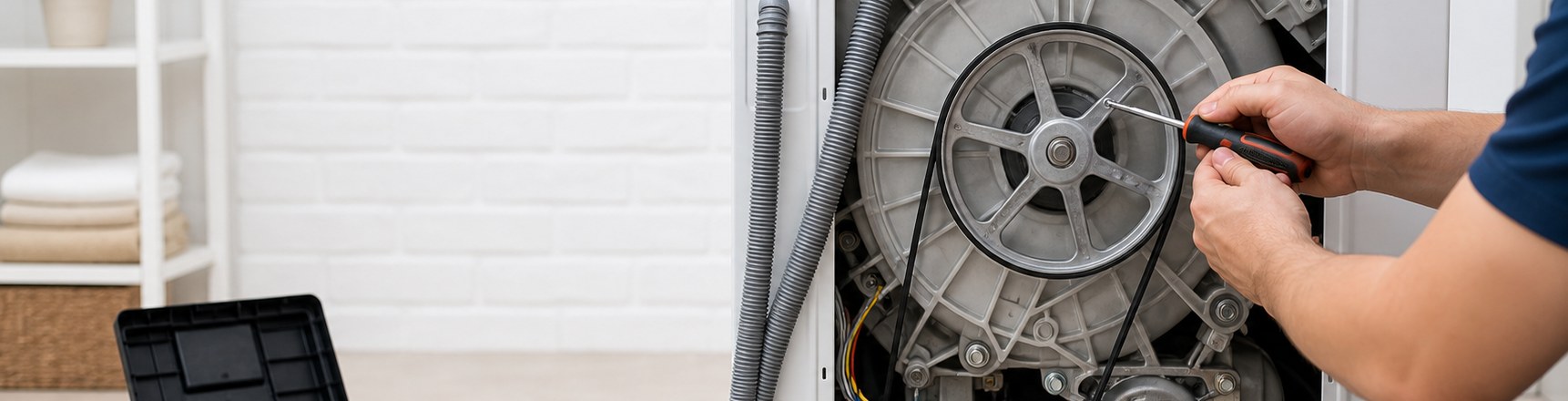
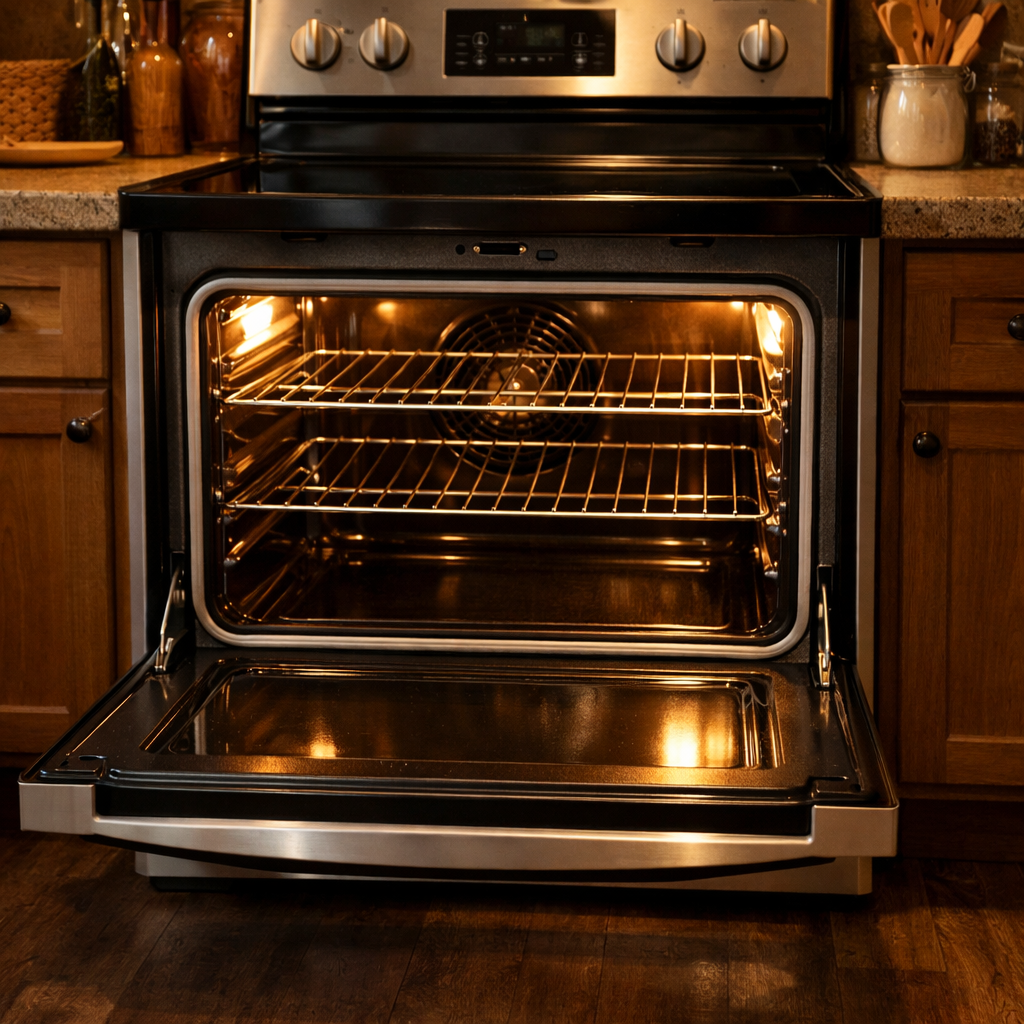
Cooling fan noise
In this guide, I’ll walk you through fixing cooling fan noise on your Samsung NE63BB871112AA (Induction Range). With the right tools and parts, most homeowners can complete this repair in 1–2 hours and avoid a costly service call.
🔨 Pro Tip from Dave
On the NE63BB871112AA, the cooling fan assembly (part number DG31-00005A) is found beneath the main control board, and a common mistake is not fully disconnecting the ribbon cable before removing the fan bracket. That cable can tear easily, costing you an extra $80 for a replacement. Make sure to check for debris lodged in the fan blades before assuming the motor is bad—induction units can draw a surprising amount of dust into that area.
Part of our Top 20 Oven Models & Common Repair Issues Guide. Browse all oven repair guides for related models and issues.
Common Symptoms & Causes
If you’re experiencing any of the following symptoms with your Samsung NE63BB871112AA induction range, it likely indicates a cooling fan issue:
- A loud rattling or grinding noise coming from the rear of the range during or after cooking
- The cooling fan runs continuously even after the cooktop has been off for 30+ minutes
- The range shuts off unexpectedly due to overheating, triggered by poor airflow
- A burning dust smell near the back vent while the fan is running
These issues are generally caused by worn fan blade bearings, debris lodged in the fan housing, or a failing fan motor that can no longer maintain the necessary speed or balance.
Safety First
- Unplug the oven from the power outlet before starting any repair — never work on a live appliance.
- Wear work gloves when handling metal brackets, sheet metal edges, or sharp components.
- Take photos with your phone before disconnecting any wiring harnesses or connectors.
- Work in a well-lit area with enough floor space to lay removed panels flat.
Tools & Parts Needed
Essential Tools
- Phillips #2 screwdriver
- ¼” nut driver
- Multimeter
- Work gloves (heat-rated)
- Flashlight
Replacement Parts
- Cooling fan motor
- T20 Torx driver
- ¼” hex driver
Step-by-Step Repair Instructions
Step 1
Start by unplugging the range from the wall outlet and pulling it away from the wall to access the rear panel. This ensures all power is cut to the high-voltage induction electronics before you work near them. The cooling fan is housed in the lower rear cabinet area behind a panel secured by four ¼” hex screws; remove these screws and set the panel aside. Never skip unplugging an induction range, as the inverter boards can hold residual charge even after the display goes dark.
Step 2
With the rear panel off, locate the cooling fan and spin the blade by hand to check for wobble, stiff resistance, or a grinding sensation. Any of these indicate worn or seized bearings that prevent the fan from reaching adequate speed. A bearing failure is the most common cause of cooling fan noise and usually produces a loud rattling or buzzing hum during cooking. If the blade spins freely and quietly, the bearing is likely fine, and you can proceed to testing the motor windings.
Step 3
Set your multimeter to Rx1 and probe across the fan motor’s winding terminals to check for continuity. A reading of OL (open circuit) means the motor windings have failed, and the motor cannot run. This test confirms whether the motor itself is defective rather than just a mechanical bearing issue. A healthy motor will show a low resistance reading; note the value to ensure a replacement fan matches closely.
Step 4
Disconnect the 3-pin harness connector and remove the two Phillips screws securing the fan assembly, then note the orientation of the blade before pulling it free. Installing the replacement fan with the blade facing the wrong direction will reverse airflow and worsen the cooling problem. Seat the new fan in the same position, reinstall the screws, and reconnect the harness until it clicks. Pro tip: compare the replacement fan’s CFM rating to the original to ensure adequate airflow for the induction board.
Step 5
Induction ranges generate significantly more heat at the electronics level than gas or radiant ranges because the inverter boards switch high-frequency current, running hot by design. Effective forced-air cooling is essential. A failed cooling fan allows heat to build up around the inverter and control boards, triggering thermal protection faults that shut down individual cook zones or the entire range. Addressing fan failure promptly prevents secondary damage to expensive induction components.
Step 6
Reinstall the rear panel and tighten all four ¼” hex screws before restoring power, since the panel also acts as a structural shield that directs airflow correctly through the cabinet. Plug the range back in, activate a cooking zone, and listen — the cooling fan should spin up within seconds of a zone becoming active and continue running for several minutes after the zone is turned off as residual heat dissipates. If the fan still does not run or noise persists, recheck the harness connection and verify the replacement fan’s voltage rating matches the original.
Where to Buy Replacement Parts
- Samsung NE63BB871112AA induction range cooling fan replacement DG31-00005H
- Samsung induction range fan bearing noise repair
- induction range cooling fan access replacement
When to Call a Professional
If the issue persists after completing all steps above, the problem may involve a failed main control board, a defective temperature sensor or high-limit thermostat, or wiring that requires specialized diagnostic equipment. In that case, it’s best to contact a licensed appliance technician. On gas models, do not attempt work on the gas valve, burner orifices, or supply line — that work is restricted to a licensed gas fitter in most jurisdictions.
How Much Does This Repair Cost?
| Repair route | Typical cost |
|---|---|
| Do it yourself | $20–$65 (parts) |
| Professional repair | $150–$300 (parts and labor) |
Replacing a cooling fan on the Samsung NE63BB871112AA typically costs $20–$65 in parts when you do the repair yourself. A professional service call for the same fix generally runs $150–$300, including labor and parts. By tackling it on your own, you can save $100 or more while restoring your range to quiet operation.
Frequently Asked Questions
Is it safe to keep using my Samsung NE63BB871112AA if the cooling fan is making noise?
You can use it briefly, but prolonged operation with a faulty cooling fan risks overheating the control board. It’s best to address the issue promptly to avoid more costly repairs.
What causes the cooling fan to become noisy on this induction range?
The most common causes are debris buildup around the fan blades or a worn fan motor bearing. Inspecting and cleaning the fan often resolves the noise.
Do I need special tools to replace the cooling fan on the NE63BB871112AA?
A basic Phillips screwdriver and a putty knife for removing panels are typically all you need. Always unplug the range completely before beginning any repair work.
Recommended Products
These are the parts and tools I recommend for this repair, based on compatibility and customer reviews:
- DA81-06013A Refrigerator Evaporator Fan Motor,Replacement Parts DA31-00287A U92C12MS1B3-52 for Samsung RF28HMEDBSR RF28HFEDTSR RF26HFENDSL RF25HMEDBSR etc,with Silent Sponge(No Noise)
- Samsung DG31-00005A Genuine OEM Convection Fan Motor Assembly for Samsung Range/Stove/Ovens
- Samsung DG31-00014F Range Convection Fan Motor Genuine Original Equipment Manufacturer (OEM) Part
The Convection Fan Motor That Stops the Rattle on This Samsung Model
When you hear that grinding or rattling noise on the NE63BB871112AA, the cooling fan motor is almost always the issue. This is the assembly you’ll want to have on hand before you dive into the repair—it’s the direct replacement Samsung designed for this model.
What works
- Exact fit with no adapter games—this part bolts straight into the cooling pathway without modification or forcing.
- Bearing noise disappears immediately after installation; you’ll notice the fan runs almost silent compared to the worn original.
- Genuine Samsung OEM part means you’re not gambling on cheap knockoffs that fail after six months.
What doesn’t
- Price is higher than aftermarket alternatives, but the reliability difference justifies it on a range you’re going to use for years.
- Shipping can take a week or two if you’re in a hurry—order early if the range is still under warranty consideration.
I’ve seen people order a generic motor first and discover it doesn’t quite seat right in the shroud, creating a new rattle that sounds worse than the original problem. Skip that headache and get the genuine Samsung DG31-00005A convection fan motor from the start.
About This Article

Written by Dave Holt. Dave Holt has been taking apart and fixing household appliances since he was a teenager who couldn't leave a broken one alone. Eighteen years later, after fixing things for neighbors, friends, and anyone who'd let him, he's seen almost every failure mode there is. When he writes a repair guide here, it's based on the actual job, not a manufacturer overview. More about this site.
Scope and limits. Dave is a self-taught repairer, not a certified appliance technician. Unplug before you open anything, and leave sealed refrigeration systems, gas connections, and hardwired circuits to a qualified technician.