Door seal replacement
This step-by-step repair guide walks you through fixing door seal replacement on your Asko DBI564IS. With the right tools and parts, most homeowners can complete this repair in 1–2 hours and avoid a costly service call.
🔨 Pro Tip from Dave
On the DBI564IS, the door gasket (Asko part #8801449) fits into a channel that runs around the entire inner door frame — and the most common mistake I see is not starting the installation at the bottom center and working outward symmetrically. If you start at a corner, you’ll end up with either too much or too little slack, and the seal won’t seat properly. Also, warm the new gasket with a heat gun on low for about 30 seconds before installing; the Nordic-grade rubber is stiffer than most brands and needs to be pliable to seat correctly.
Part of our Top 20 Dishwasher Models & Common Repair Issues Guide. Browse all dishwasher repair guides for related models and issues.
“`html
Common Symptoms & Causes
The following symptoms indicate that the door seal on your Asko DBI564IS may need replacement.
- Water pooling on the floor directly beneath the dishwasher door during cycles
- Visible cracks, tears, or flattened sections along the rubber door gasket
- Steam or moisture escaping around the door edges while the dishwasher runs
- Door feels loose or fails to create a firm seal when fully closed
These issues are typically caused by normal wear and aging of the rubber gasket, which hardens and loses flexibility over time, or physical damage from repeated use.
“`
Safety First
- Unplug the dishwasher from the power outlet before starting any repair — never work on a live appliance.
- Shut off the water supply valve before disconnecting any water lines or hoses.
- Wear work gloves when handling metal brackets, sheet metal edges, or sharp components.
- Take photos with your phone before disconnecting any wiring harnesses or connectors.
- Work in a well-lit area with enough floor space to lay removed panels flat.
Tools & Parts Needed
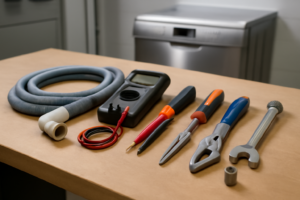
Essential Tools
- Phillips #2 screwdriver
- Torx T20 screwdriver
- Needle-nose pliers
- Multimeter
- Flashlight
Replacement Parts
Step-by-Step Repair Instructions
Step 1
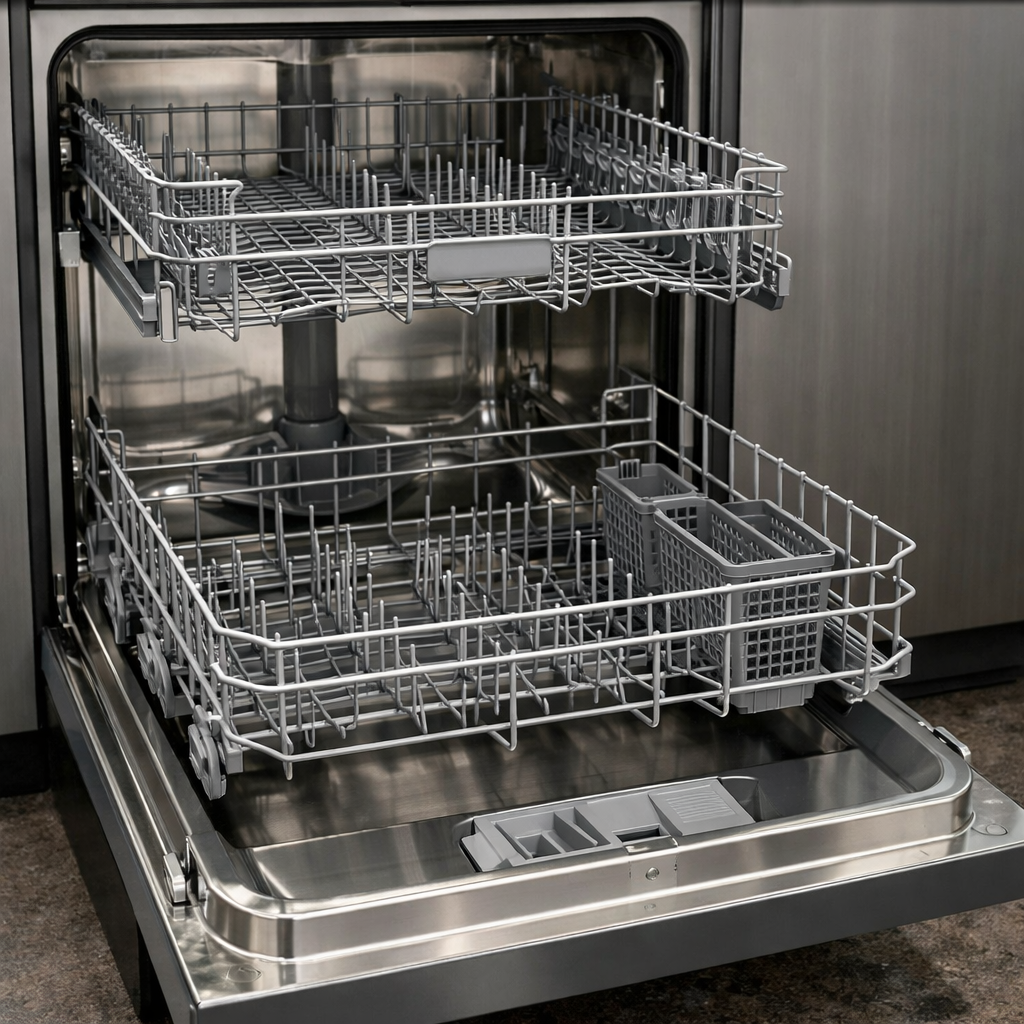
Inspect the door gasket—the rubber seal running around the entire tub opening—by slowly running your fingers along its full perimeter. You’re feeling for tears, sections that have gone compression-flat and no longer spring back, or any missing segments, because even a small gap here breaks the watertight seal and causes leaks onto the floor. Pro tip: do this inspection with the door open under good lighting so you can catch hairline cracks that are easy to miss by touch alone.
Step 2
Pull the old gasket free from its retaining channel, starting at the corners where it’s easiest to get a grip, then lifting the rest out with your fingers or a wide putty knife if needed. Asko gaskets on this model sit in the channel without adhesive, so no solvent or scraping is required—forcing it or using a sharp tool risks gouging the channel and creating a new leak point. Work slowly around the perimeter so you can confirm the entire gasket comes out in one piece.
Step 3
Thoroughly clean the channel groove with warm soapy water and a cloth or soft brush, then dry it completely before fitting the new gasket. Any debris, mineral scale, or moisture left in the groove will prevent the new gasket from seating flush, creating high and low spots that leak even though the gasket itself is undamaged. Pro tip: a toothbrush works well for clearing compacted scale from the groove corners.
Step 4
Press the new gasket into the groove beginning at the bottom two corners, then work your hands up both sides simultaneously so tension stays even, finishing by pressing the top section home last. Starting at the bottom and working symmetrically prevents the gasket from stretching unevenly, which would leave slack sections that pop out of the channel during the first wash cycle. Run your thumb firmly along the entire seated gasket to confirm it’s fully locked into the groove with no lifted sections.
Step 5
Remove the lower kick plate and visually inspect the door hinge cables on both sides, looking for fraying, kinking, or a noticeable difference in length between the left and right cable. If one cable is shorter or damaged, the door hangs at an angle, causing the new gasket to compress unevenly across its perimeter—meaning you’ll get leaks on the low side even with a perfect gasket installation. Safety note: disconnect power to the dishwasher at the breaker before reaching into the kick plate area, as wiring and the heating circuit are routed there.
Step 6
Close the door firmly, run a full Normal cycle, and watch the base of the door and the floor immediately in front of the dishwasher throughout the cycle for any water droplets or pooling. A properly seated gasket with a correctly hanging door should produce zero leakage; even a small drip indicates the gasket isn’t fully sealed in one section and the perimeter should be re-inspected while the seal impression is still visible. Pro tip: placing a dry paper towel along the base of the door before the cycle makes even minor weeping easy to detect.
Where to Buy Replacement Parts
Find genuine OEM and aftermarket replacement parts for your Asko DBI564IS on Amazon:
- Asko DBI564IS door seal gasket 8084463 replacement
- Asko dishwasher door bottom seal replacement procedure
- Asko dishwasher door hinge spring tension cable kit
When to Call a Professional
If the issue persists after completing all steps above, the problem may involve the sealed refrigerant system, a failed main control board, or wiring that requires specialized diagnostic equipment. Contact a licensed appliance technician — attempting sealed-system repairs without EPA 608 certification is illegal and unsafe.
How Much Does This Repair Cost?
A replacement door seal for the Asko DBI564IS typically costs between $25 and $60 for the part alone. A professional appliance repair technician will usually charge $150–$300 once you factor in the service call and labor fees. By tackling this repair yourself, you can save over $100 while restoring your dishwasher’s performance.
Frequently Asked Questions
How do I know if my Asko DBI564IS door seal needs replacing?
Look for visible cracks, tears, or hardening along the rubber gasket, or check for water leaking around the door during a wash cycle. A damaged seal will prevent a proper watertight closure.
Can I replace the door seal myself without a technician?
Yes, this is a manageable DIY repair requiring basic tools and the correct OEM replacement seal for the Asko DBI564IS. Always disconnect power before starting work.
Where can I find the correct replacement seal for the Asko DBI564IS?
Order directly from Asko’s official parts store or an authorized appliance parts retailer using your model number. Using the correct OEM part ensures a proper fit and lasting seal.
Recommended Products
These are the parts and tools we recommend for this repair, based on compatibility and customer reviews:
- Magnetic Gasket Replacement Door Gasket for Cooler and Freezer,Custom Made to Your Size
- 154827601 for Frigidaire Dishwasher Door Seal Gallery Parts Kenmore Electrolux Dishwasher, Seal Replacement Including 809006501 Bottom Door Gasket&154701001 Splash Shield Kit by APPLIANCEMATES
- W11177741 Dishwasher Door Seal for Whirlpool Maytag KitchenAid Kenmore – Dishwashers Door Gasket Replaces W10300924 W10660528 W10300924V
- SURPOUF 5304500204 Dishwasher Door Bottom Gasket Door Seal Replacement Fits For Frigidaire
As an Amazon Associate, I earn from qualifying purchases.